Photonics, optics, imaging, and laser technologies are often highly technical. On a busy trade show floor, exhibitors have only a short amount of time to explain what their products do, why they matter, and how they differ from competing solutions.
A successful SPIE Photonics West booth design should make complex information easier to understand without oversimplifying the technology. The exhibit must support clear messaging, focused demonstrations, and productive conversations while accounting for freight, electrical requirements, installation, and overall budget.
The right design helps turn advanced technology into an organized, approachable experience.
Design Around One Clear Message
Technical companies often have several products, applications, and capabilities they want to feature. Trying to communicate all of them at once can make an exhibit feel crowded and difficult to navigate.
Strong custom technology booth design begins with a clear hierarchy.
The primary message should be visible from the aisle and easy to understand within a few seconds. Supporting information can then guide attendees toward product demonstrations, technical discussions, or specific applications.
A clear messaging structure may include:
- One primary brand or product statement
- Concise supporting graphics
- Defined areas for demonstrations
- Digital content for deeper technical information
- Private or semi-private spaces for detailed conversations
This approach allows the booth to serve both attendees who are browsing and visitors who are ready for a more technical discussion.
Create Focused Demonstration Areas
Live demonstrations are often essential for photonics and technology exhibitors. However, demonstrations require more planning than simply placing equipment on a counter.
The exhibit layout should account for:
- Equipment dimensions and weight
- Electrical and data requirements
- Viewing angles
- Presenter space
- Attendee circulation
- Safety and accessibility
- Storage for supporting materials
A well-designed demonstration area gives presenters enough room to operate equipment while allowing attendees to see what is happening without blocking the aisle.
For products that are difficult to demonstrate live, video, animation, or digital modeling can help communicate the process more clearly.
Use Digital Displays Strategically
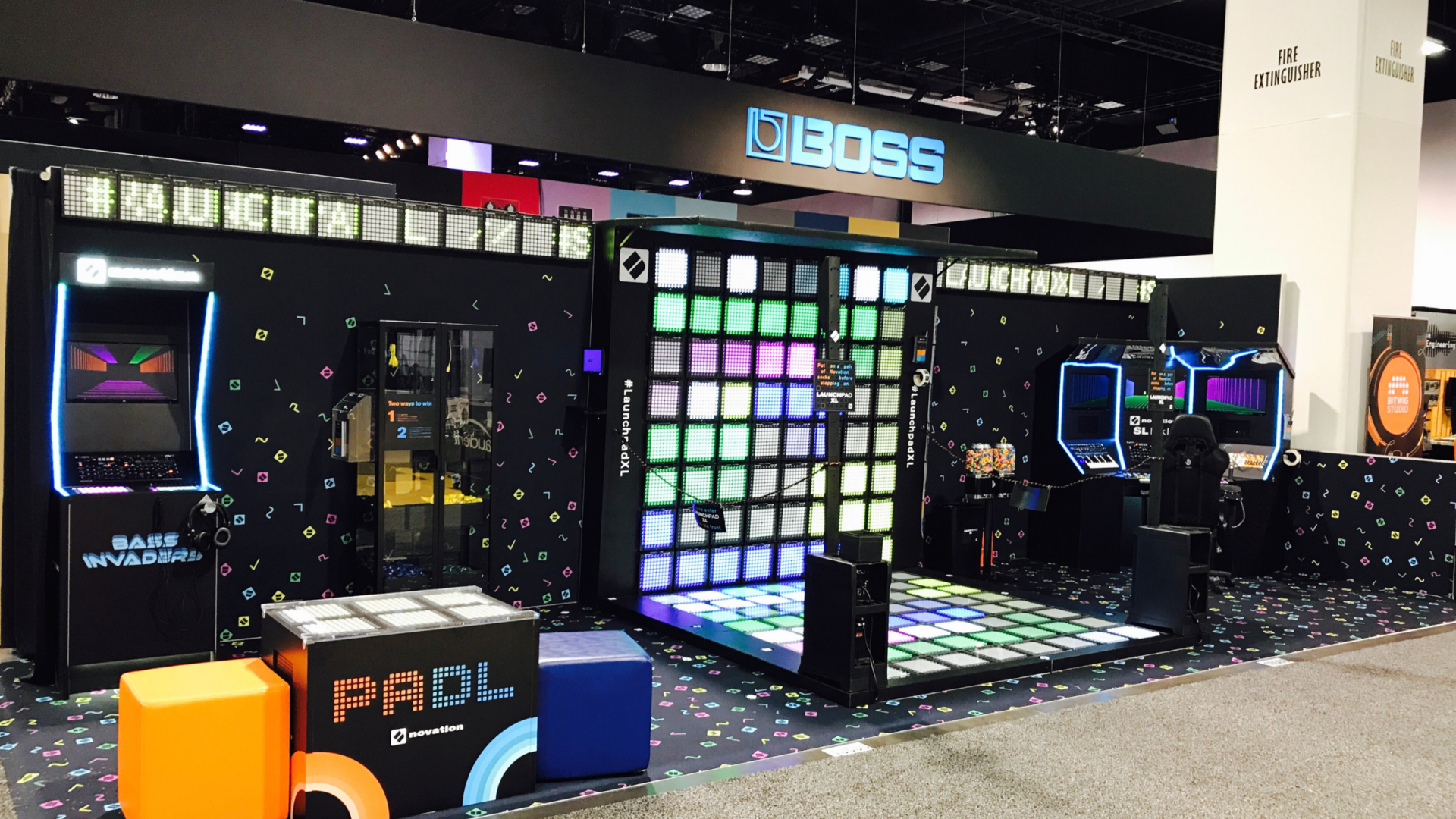
Monitors, LED displays, and interactive technology can help explain technical products that are too small, complex, or process-driven to understand at a glance.
The goal is not to add technology simply for visual impact. Every digital element should support a clear communication objective.
Digital displays can be used to:
- Enlarge detailed product components
- Show internal processes or product functionality
- Present technical specifications
- Demonstrate applications in real-world environments
- Compare performance data
- Support scheduled presentations
Technology should be integrated into the exhibit architecture from the beginning. This helps ensure that electrical service, mounting, ventilation, cabling, and content visibility are planned properly.
Balance Technical Detail With Visual Clarity
Photonics companies often need to communicate highly specific information. However, filling an exhibit with dense text, charts, and product specifications can make the booth difficult to process.
The strongest photonics trade show exhibits separate information into levels.
Aisle-facing graphics should communicate the primary message. Secondary displays can explain product categories or applications. More detailed materials can then be provided through digital presentations, printed resources, or conversations with technical representatives.
This structure helps attendees identify whether the solution is relevant to them before committing to a longer discussion.
Plan for Lighting and Product Visibility
Lighting plays an important role in any exhibit, but it can be especially important for companies showcasing optics, imaging systems, precision components, or reflective materials.
The lighting plan should support the products rather than interfere with them.
Exhibitors may need to consider:
- Glare on monitors and display cases
- Controlled lighting for demonstrations
- Accent lighting for small components
- Color accuracy
- Ambient show-floor lighting
- Heat generated by fixtures and equipment
Lighting requirements should be discussed early because they influence electrical orders, installation, and overall exhibit cost.
Account for Electrical and Technical Requirements Early
Technology-heavy exhibits often require more electrical service, cabling, internet access, and specialized installation than a standard booth.
These services can become expensive when they are added late in the planning process.
Early coordination helps the exhibit team determine:
- Total power requirements
- Equipment placement
- Cable routing
- Internet needs
- Backup options
- Labor requirements
- Venue restrictions
Building these needs into the initial booth design can reduce last-minute changes and improve cost predictability.
Consider Freight, Drayage, and Installation
Advanced equipment, custom displays, AV systems, and demonstration components can add weight and complexity to a booth shipment.
That directly affects freight, drayage, and labor costs.
An experienced exhibit partner can help evaluate how the booth is engineered, packed, transported, and installed. Modular structures, efficient crating, and pre-assembly can help reduce show-floor complexity without limiting the finished design.
For exhibitors traveling to San Francisco, careful logistics planning is especially important. Freight schedules, move-in windows, labor rules, and equipment handling should all be considered well before the show.
Rental Exhibits Provide Flexibility
A custom rental exhibit can provide a fully branded presence without requiring the exhibitor to own, store, and maintain the complete structure.
This can be especially useful for technology companies whose products, messaging, or booth requirements change from year to year.
A San Francisco exhibit rental can incorporate:
- Custom graphics
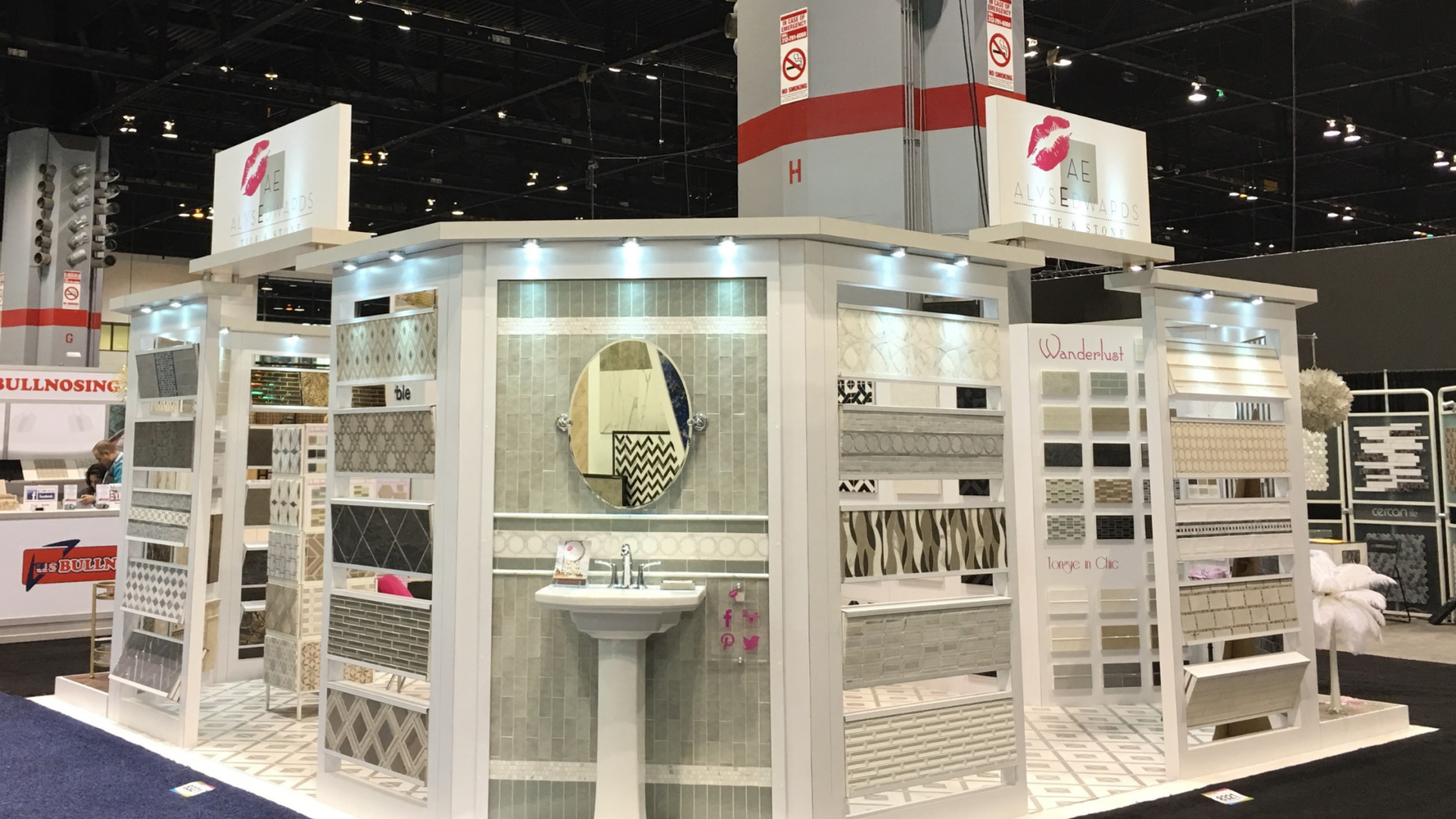
- Product displays
- LED walls and monitors
- Interactive demonstrations
- Meeting areas
- Specialized lighting
- Branded architectural elements
- Secure storage
Rental allows the exhibit to evolve alongside new product launches, technical developments, and changing booth footprints.
Build for Technical Conversations
Not every conversation at a photonics industry event will be brief.
Engineers, researchers, buyers, and technical decision-makers may need time to review specifications, discuss applications, and evaluate product compatibility.
The booth should provide spaces that support these conversations without separating the team completely from the show floor.
Depending on the exhibit size, this may include:
- Standing consultation counters
- Small meeting tables
- Semi-private discussion areas
- Enclosed conference rooms
- Product review stations
The layout should make it easy to move visitors from initial interest to a more detailed conversation.
Frequently Asked Questions
How can an exhibit make complex technology easier to understand?
Clear messaging, focused demonstrations, and integrated digital displays help attendees understand technical products quickly. The exhibit should organize information in stages, beginning with a simple aisle-facing message and offering additional detail as visitors engage.
What size booths can I rent?
From 10×10 inline booths to fully custom double deck environments. The right size depends on your product demonstrations, meeting requirements, equipment needs, and overall event objectives.
Can technology be integrated into a rental exhibit?
Yes. Rental exhibits can incorporate LED displays, monitors, interactive demonstrations, lighting, and specialized product displays. These requirements should be identified early so power, installation, and logistics can be planned properly.
How early should we begin planning a technology-focused exhibit?
Planning should begin several months before the event, particularly when the booth includes technical equipment, custom displays, advanced lighting, or AV integration. Early planning provides more time to coordinate logistics and control costs.
Can Xibeo help coordinate freight and installation in San Francisco?
Yes. Xibeo provides exhibit design, fabrication, rental solutions, freight coordination, installation planning, and show-site support for events throughout the United States.
Design an Exhibit That Makes Complex Technology Clear
A successful photonics exhibit should do more than look impressive. It should help attendees understand advanced products, support effective demonstrations, and create an environment for meaningful technical conversations.
Xibeo combines custom exhibit design with practical logistics planning to help technology companies present complex ideas clearly while maintaining control over freight, labor, and installation costs.
Let’s design a booth that aligns with your goals and protects your budget.
Nationwide execution. Strategic design. Built to protect your budget.