Trade show booth costs can grow quickly when exhibitors focus on the display itself without accounting for freight, material handling, labor, and show-site services. For companies preparing for NADA Show, controlling those expenses starts with a clear exhibit budget, a practical booth design, and early coordination of the work required to get everything onto the show floor.
The objective is to invest in the elements that help attendees understand your business while reducing expenses that do little to improve the exhibit experience.
What Should Be Included in a Trade Show Exhibit Budget?
One of the most common budgeting mistakes is treating the booth structure as the entire exhibit investment.
The actual cost of participating in a trade show includes several separate expenses, many of which are determined by the venue, exhibit configuration, and installation requirements.
A complete exhibit budget should account for:
- Booth space: The cost of reserving exhibit space at the event.
- Exhibit design and fabrication: Structural components, graphics, lighting, and branded display elements.
- Freight: Transportation of booth materials and equipment to and from the event.
- Material handling: Receiving, unloading, transporting, and returning exhibit freight within the venue.
- Installation and dismantle: Labor required to assemble and remove the exhibit.
- Show services: Electrical connections, internet, AV services, and other venue-specific requirements.
- Storage and maintenance: Expenses associated with owned exhibits between events.
For NADA Show exhibitors, reviewing the event’s official requirements is particularly important.
The NADA Show Exhibitor Essentials explains which services are separate from booth space and identifies design requirements exhibitors must consider during planning.
These details should be reviewed before finalizing an exhibit budget.
A booth that appears affordable during the design phase may become more expensive once shipping, labor, electrical services, and installation are added.
Building a complete budget early makes it easier to compare exhibit options and identify expenses that can be controlled.
How Can Booth Design Help Reduce Unnecessary Expenses?
Exhibit design decisions affect more than appearance. They influence the amount of material required, shipping weight, installation time, and the services needed at the venue.
A complicated structure may require additional labor or specialized handling. Oversized display elements can increase freight expenses. Poorly positioned demonstration areas may require changes after the initial design is approved.
These costs can sometimes be reduced through practical planning.
For automotive industry exhibitors, the first step is identifying how the booth will be used.
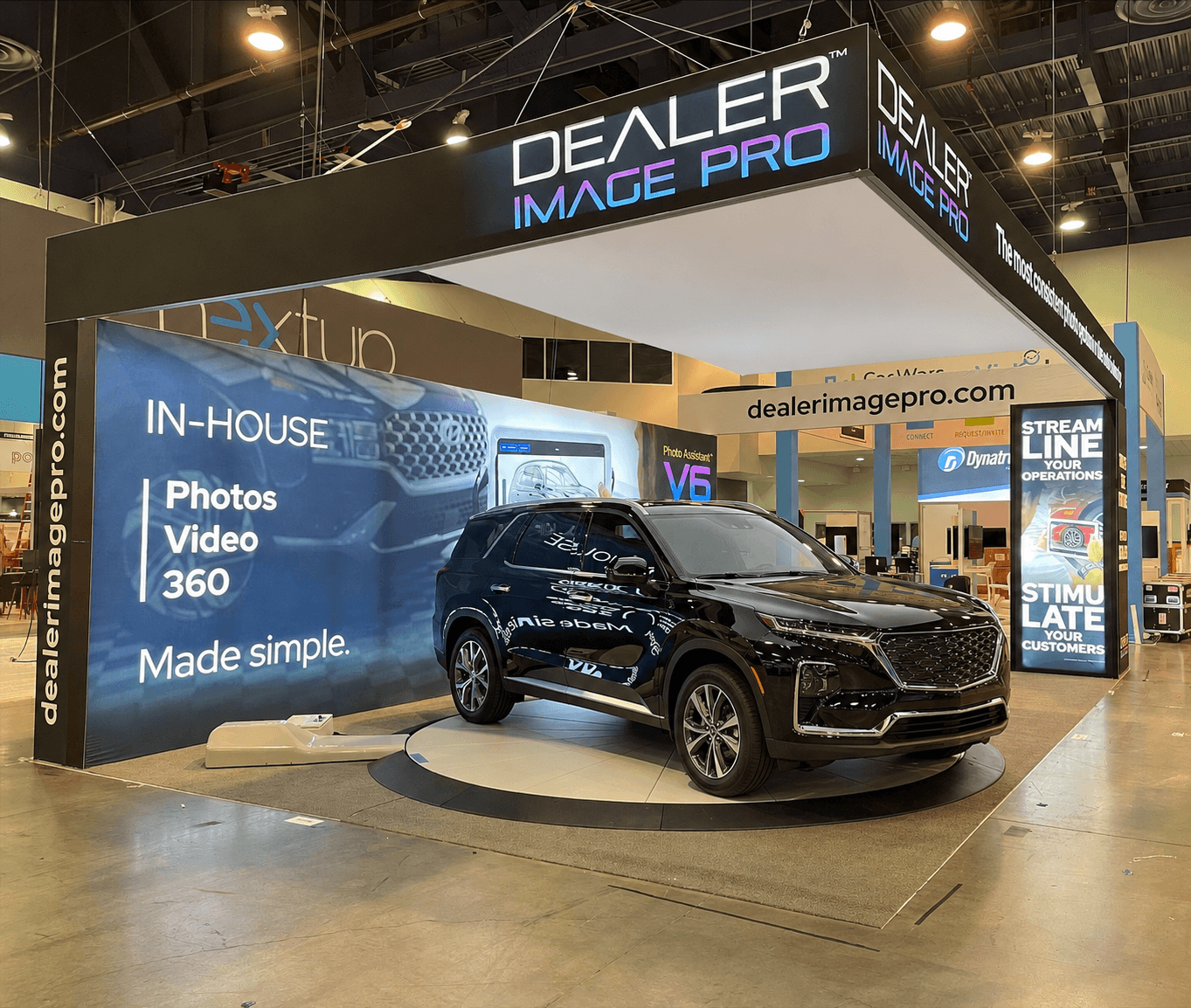
A company demonstrating dealership management software may need several accessible monitors, demonstration counters, and a meeting area. An equipment manufacturer may need dedicated product displays and room for technical conversations.
Those requirements should guide the layout.
For example, a software exhibitor may benefit more from accessible demonstration stations than from a large decorative structure that limits usable floor space.
The same principle applies to branding.
Clear graphics, appropriate lighting, and a well-organized environment can create a professional appearance without filling every available area with additional materials.
Designing around the visitor experience helps exhibitors direct their budgets toward elements that support business conversations.
Should Automotive Exhibitors Rent or Purchase Their Booth?
The decision to rent or purchase an exhibit depends on how frequently a company participates in trade shows, whether its booth requirements change, and how much flexibility it needs.
Purchasing may make sense for companies with a consistent exhibit schedule and a design they expect to use repeatedly.
However, ownership introduces additional responsibilities, including storage, transportation, maintenance, repairs, and updates.
Rental exhibits offer a different approach.
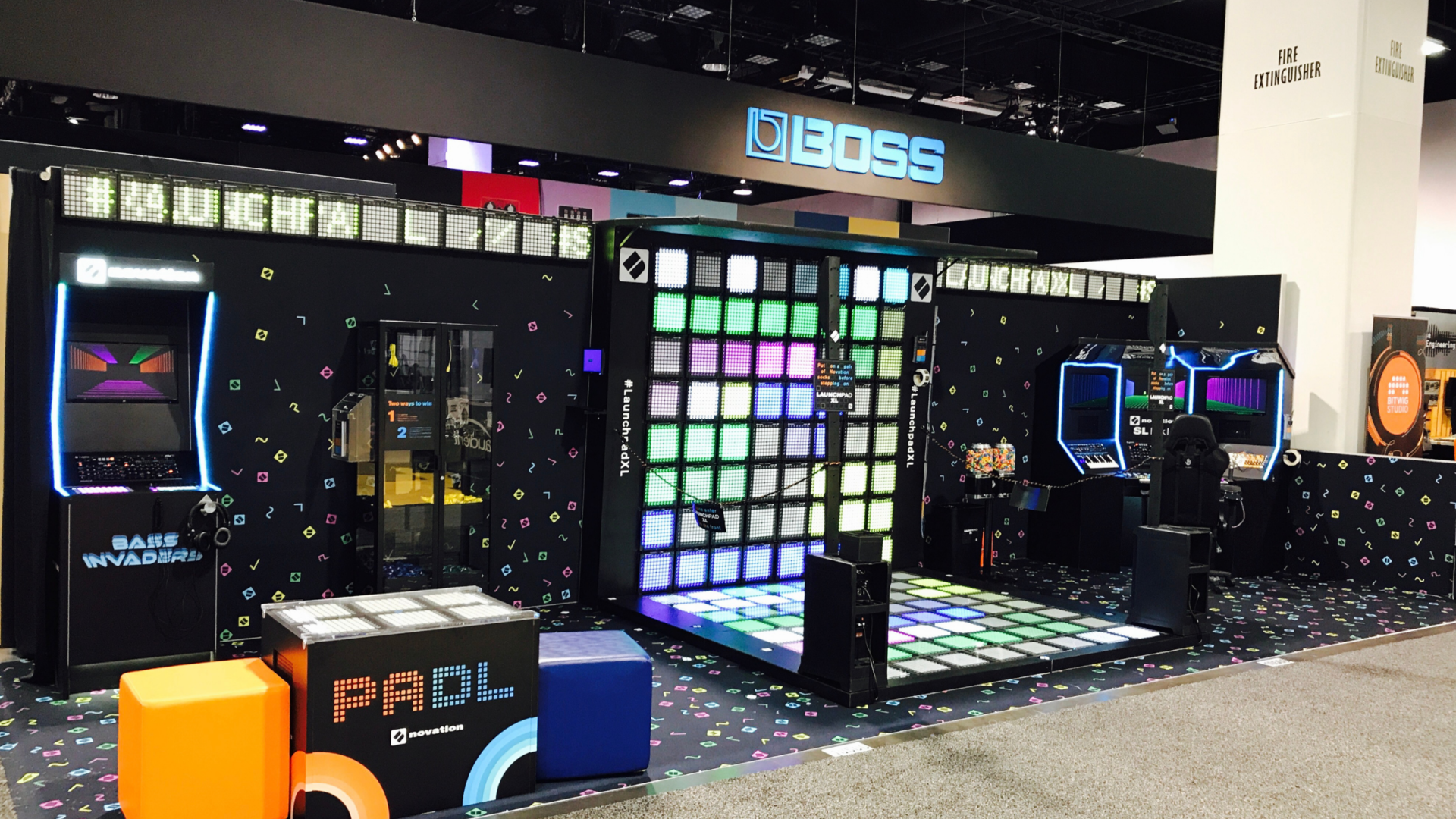
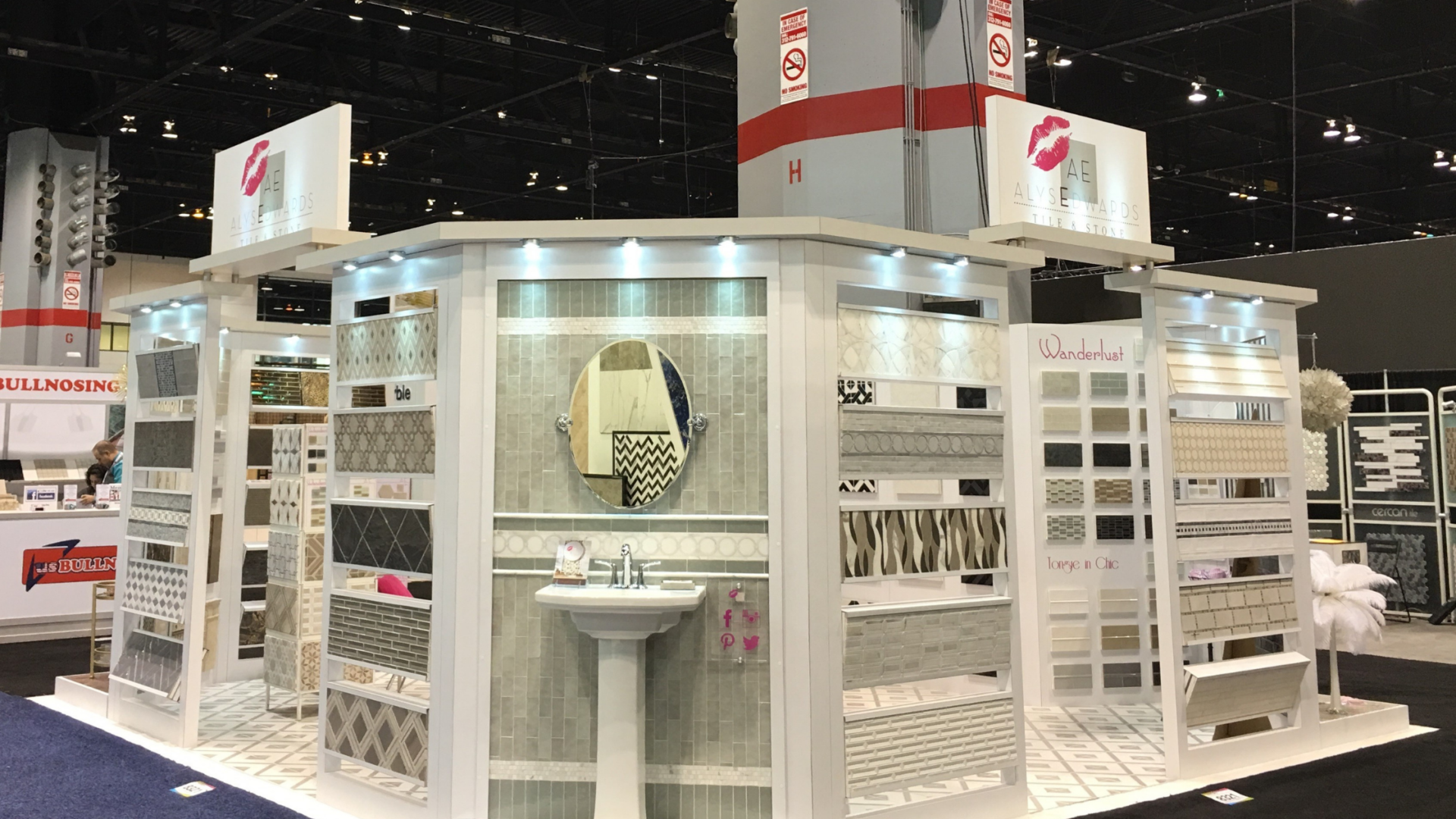
With custom trade show exhibit rentals, companies can create a branded environment without purchasing the entire structure.
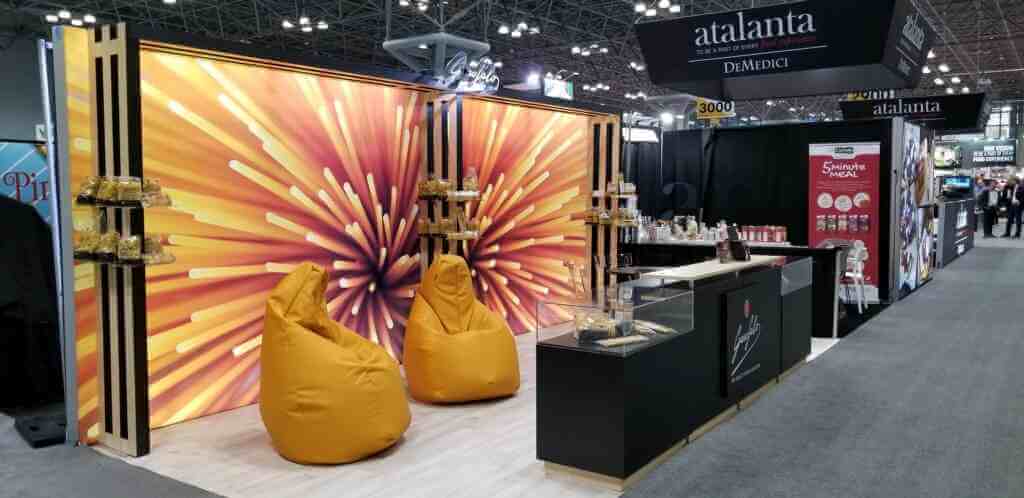
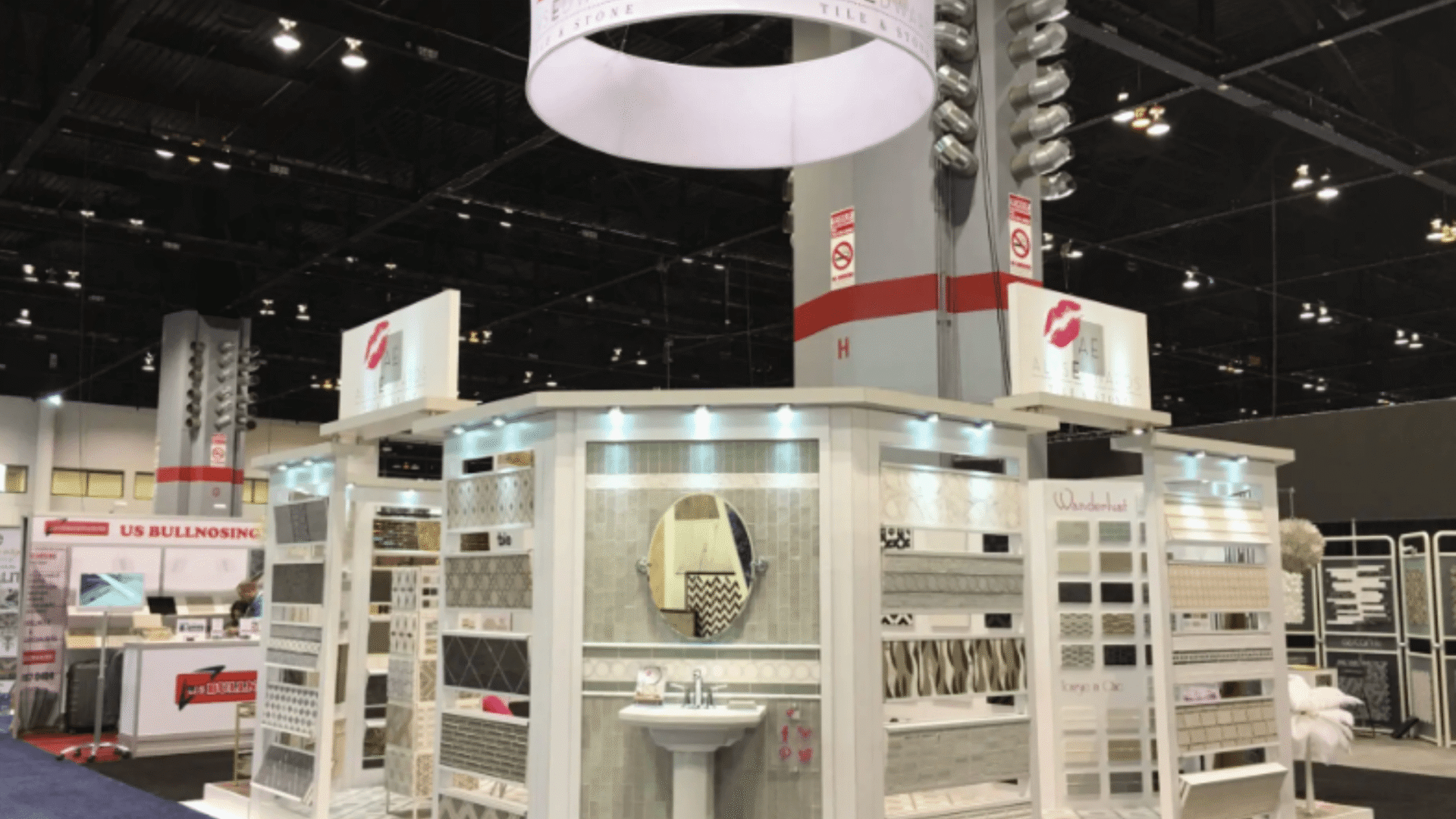
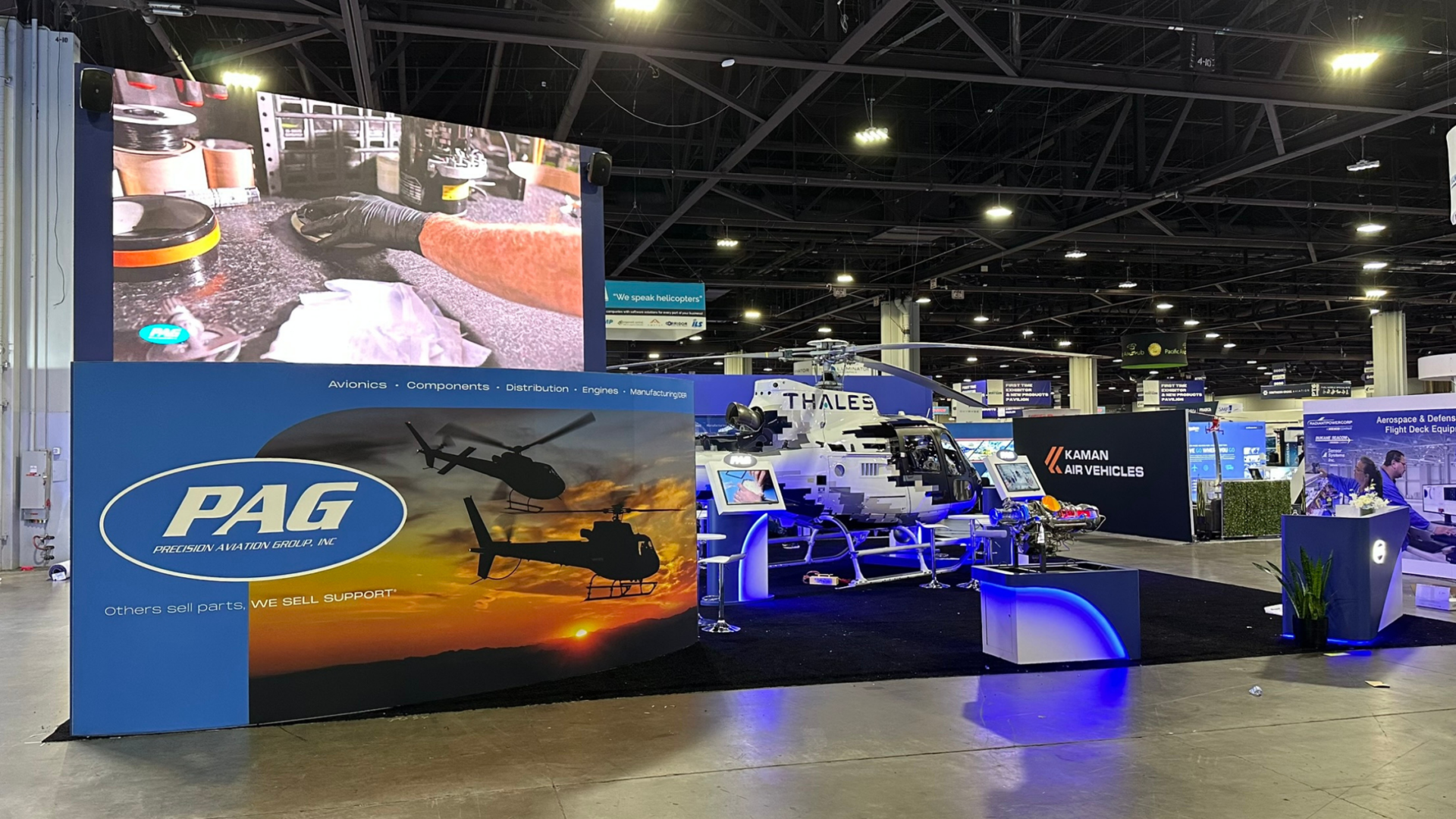
Rental exhibits can incorporate graphics, monitors, lighting, product displays, demonstration areas, and meeting spaces.
This approach may be particularly useful for automotive technology companies whose products, messaging, and demonstration requirements change between events.
For example, a company introducing a new software platform may need additional demonstration stations at one event and more meeting space at another.
A rental exhibit allows the layout to be adjusted around those priorities.
The financial comparison should consider the full cost of each option rather than the initial price alone.
For companies evaluating rental versus ownership, important questions include how many shows they attend annually, whether their booth footprint changes, and who will manage storage and transportation.
Neither option is automatically the least expensive. The better choice depends on the company’s exhibit program and operating requirements.
How Can Freight, Drayage, and Labor Costs Be Managed?
Freight and material handling can account for a meaningful portion of an exhibit budget, particularly when large structures, equipment, or multiple shipments are involved.
Freight refers to transporting materials between locations.
Drayage, commonly called material handling in trade show service documents, refers to the movement of exhibit materials within the event facility, including receiving shipments and delivering them to the booth.
Installation and dismantle labor are separate considerations.
Several planning decisions can help manage these expenses.
Consider shipping weight and dimensions.
Large or heavy exhibit components may increase transportation and handling requirements. Selecting materials and structural components with shipping efficiency in mind can help control those variables.
Organize shipments carefully.
Consolidated shipments and clearly organized crates can make freight coordination more manageable. The best approach depends on the show’s material-handling rules and the type of exhibit.
Plan installation before fabrication.
An exhibit that requires extensive assembly may create additional labor exposure. Modular construction, organized packing, and advance planning can make installation more predictable.
Review service deadlines.
Electrical, internet, freight, and labor arrangements should be coordinated before the event.
The official NADA Show Exhibitor Service Kit provides information about required forms, service orders, and show-specific planning requirements.
Reviewing those materials early helps exhibitors identify what needs to be arranged and when.
It also reduces the likelihood of discovering an overlooked requirement during installation.
Why Should Exhibitors Plan for More Than One Event?
Companies attending several automotive trade shows each year should consider how one exhibit decision affects the rest of their schedule.
A booth designed for a single event may not work as well when the next show has a different footprint, audience, or product focus.
Planning for multiple events can help exhibitors identify which elements should remain consistent and which may need to change.
Brand graphics, demonstration counters, structural components, and digital displays may be adaptable across different exhibit environments.
Modular construction and rental programs can provide flexibility for these changes.
This approach also helps companies evaluate their exhibit spending over an entire year rather than making separate decisions for every event.
A coordinated plan may reduce repeated design work and make logistics easier to manage.
For companies with a national trade show schedule, working with an exhibit partner that understands design, fabrication, freight, and installation can also improve communication between the teams responsible for each stage.
The goal is to make decisions that serve the current event without creating unnecessary expenses for future ones.
Frequently Asked Questions
How can automotive exhibitors create a strong presence without overspending?
Start by identifying the products, demonstrations, and conversations the booth needs to support. Custom rental exhibits, efficient layouts, and early logistics planning can help exhibitors direct spending toward useful features while managing freight, labor, and storage expenses.
What should exhibitors consider when planning a booth for NADA Show?
Exhibitors should consider branding, product demonstrations, meeting space, attendee traffic, electrical requirements, and installation needs. They should also review NADA Show’s official exhibit regulations and service deadlines before approving the final design.
Are custom rental exhibits suitable for automotive technology companies?
Yes. Rental exhibits can incorporate monitors, interactive demonstrations, lighting, branded graphics, and meeting areas. They also offer flexibility for companies that need to change their exhibit layout or messaging between events.
Plan Your Exhibit With the Full Budget in Mind
A well-planned exhibit starts with understanding how design decisions affect transportation, installation, and long-term costs. Xibeo works with automotive industry exhibitors to develop custom rental environments that support their presentation needs while accounting for the practical demands of trade show execution.
Discuss Your Exhibit Plans With Xibeo
Xibeo is an independent exhibit design and fabrication company and is not affiliated with, endorsed by, or sponsored by NADA Show, the National Automobile Dealers Association, or the event organizers.