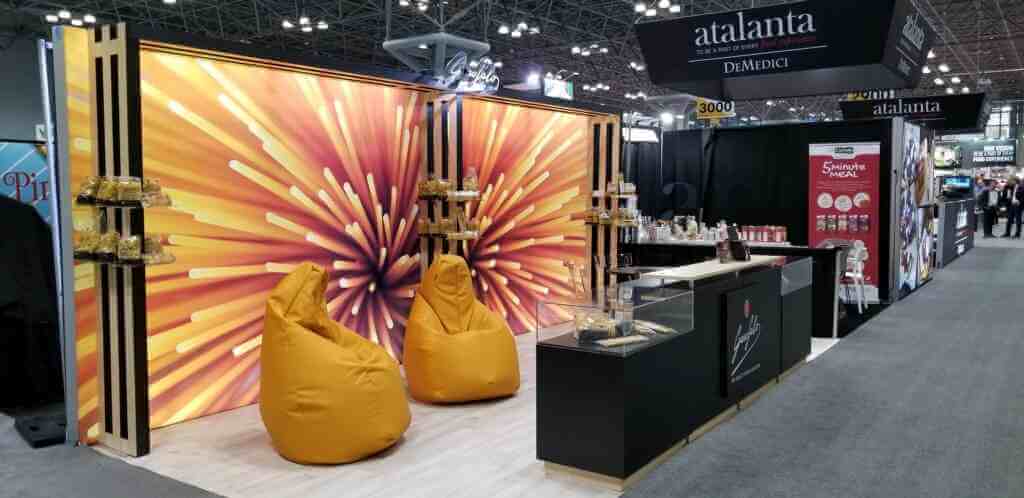
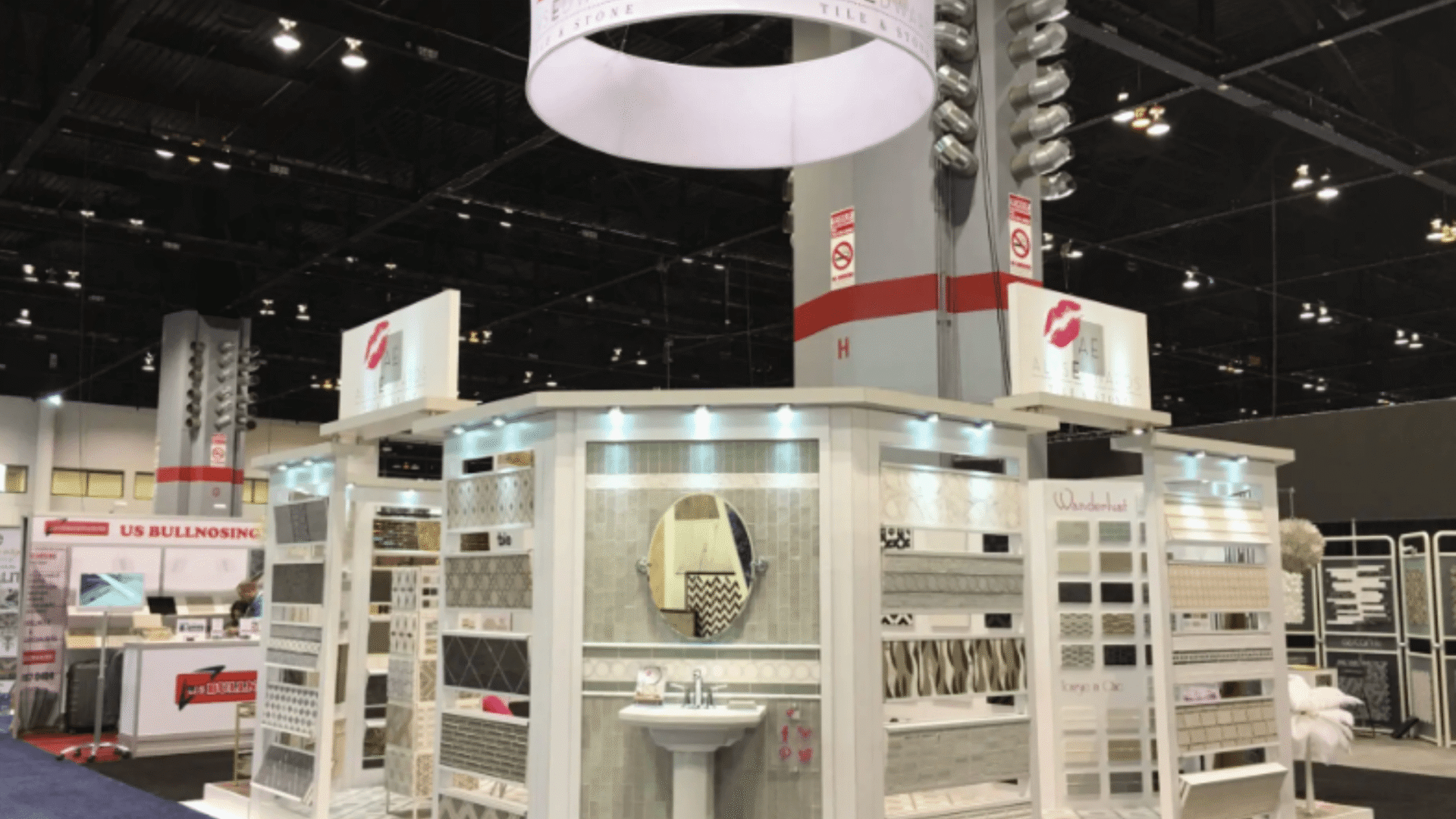
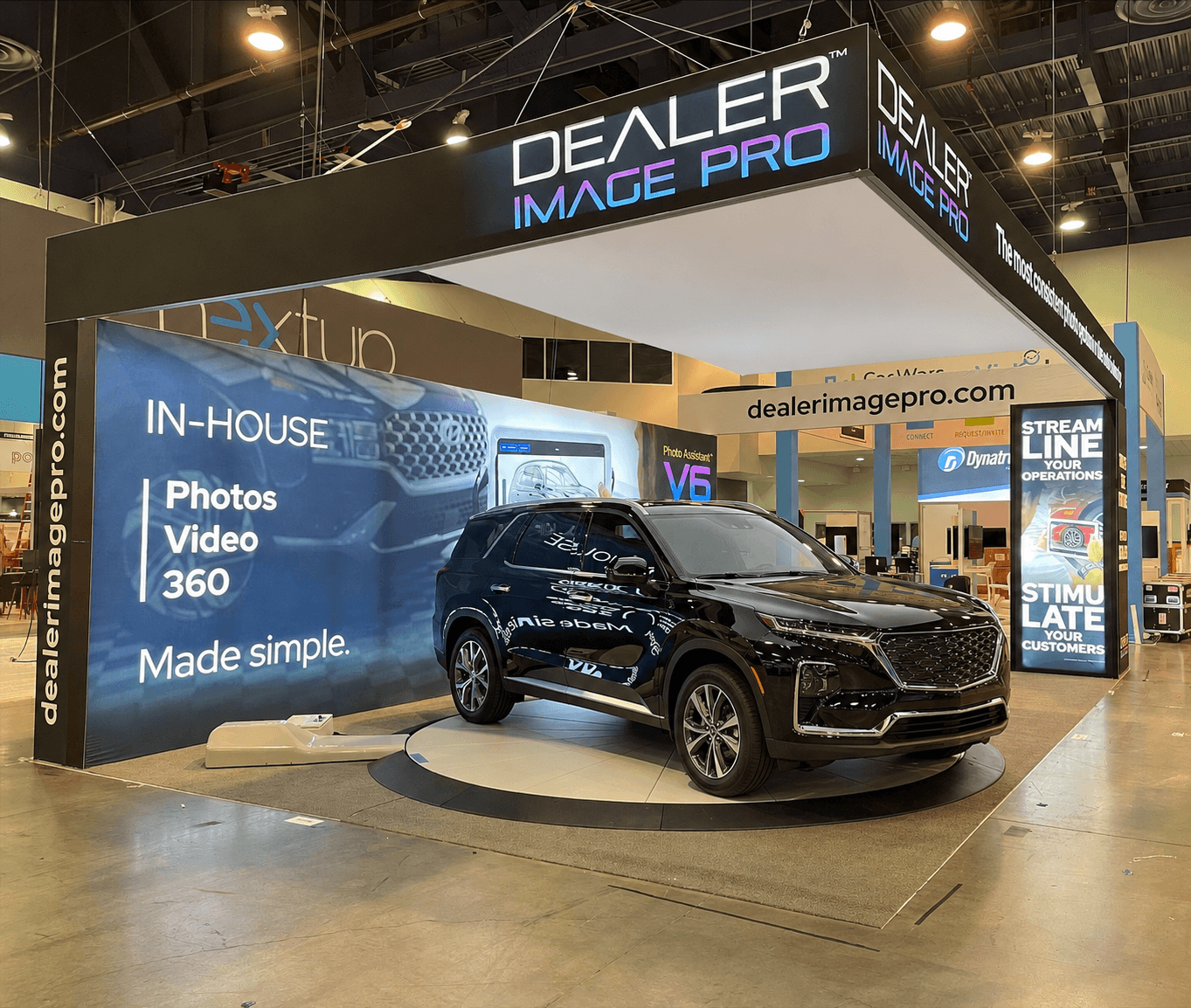
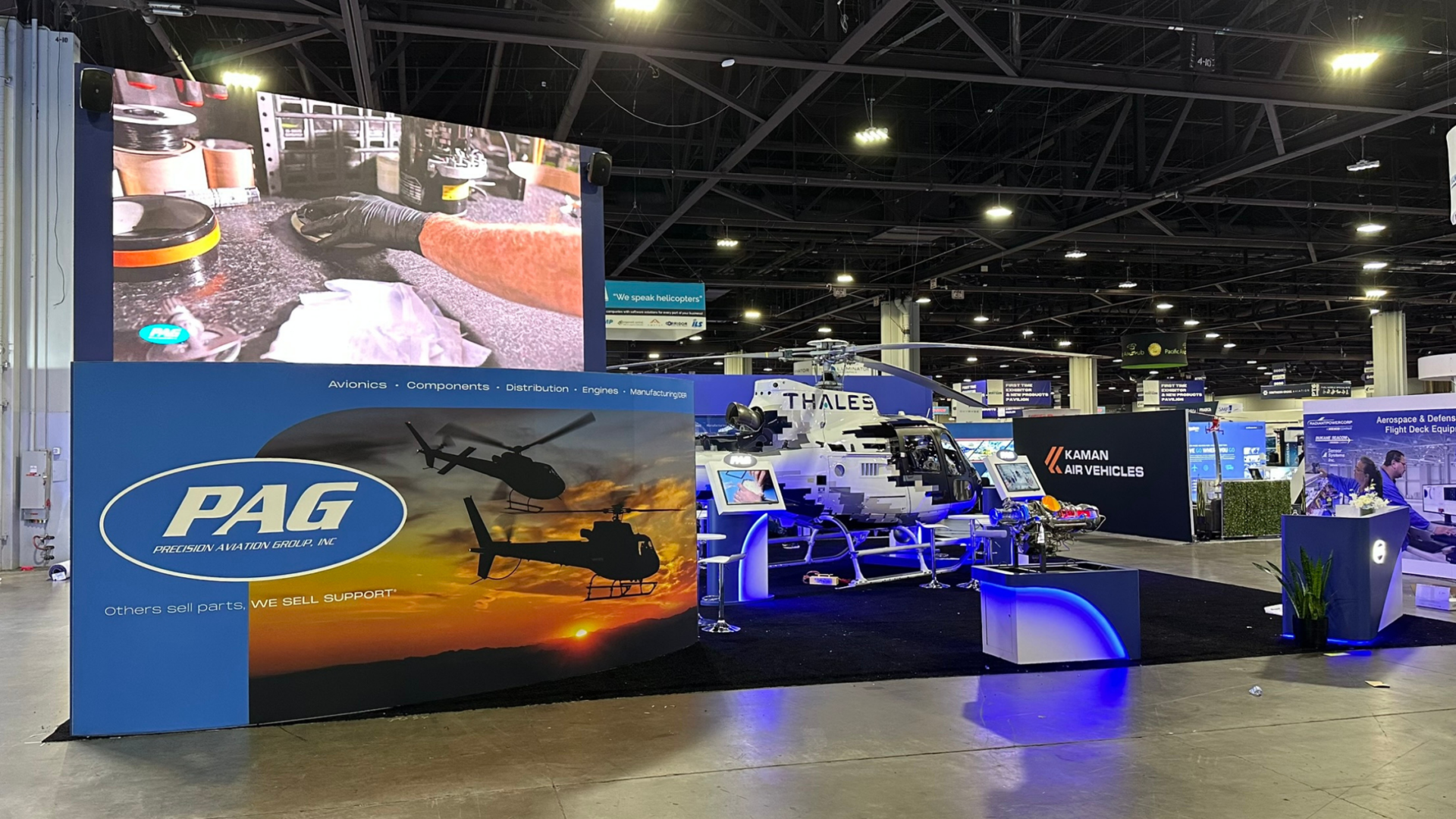
Product sampling gives natural products brands an opportunity to introduce buyers to flavors, textures, formulations, and product features firsthand. For exhibitors preparing for Natural Products Expo West, an effective sampling setup requires careful attention to booth layout, product storage, sanitation, and visitor movement.
Planning these details before the exhibit is built helps brands create a sampling experience that supports conversations with buyers while meeting the practical requirements of the event.
How Much Space Should a Product Sampling Station Need?
The amount of space needed for product sampling depends on the type of product, how it is prepared, and the number of staff members involved.
A company distributing individually packaged snacks may need a relatively simple counter with organized product storage. A beverage brand preparing samples throughout the day may require additional counter space, refrigeration, and access to electrical services.
Brands offering multiple products should also consider whether visitors will sample them individually or compare several items during the same interaction.
These decisions affect the layout.
Sampling counters should be positioned where visitors can approach them without blocking the booth entrance. Staff need enough room to prepare and distribute products while maintaining access to storage and supplies.
For booths with several sampling stations, separating product preparation from visitor-facing areas may help reduce congestion.
Exhibitors should also consider the space required for attendees to pause, ask questions, and review product information.
A sampling counter that occupies too much of the booth can limit these interactions. Conversely, a station that is too small may become difficult to operate during busy periods.
The best layout balances product access with room for conversations.
How Can Booth Layout Improve Traffic Flow During Sampling?
Product sampling can attract groups of attendees who want to try a product before continuing through the exhibit hall.
While this interest creates opportunities for brands, it can also create congestion if the booth is not organized around visitor movement.
A practical sampling layout should consider how attendees approach the booth, where they receive samples, and where they can speak with staff afterward.
For example, a beverage company may position its sampling counter near the front of the booth while keeping product information and meeting space farther inside.
This allows visitors to try a product and then continue into the exhibit if they want to learn more.
Keep Sampling Within the Booth
Natural Products Expo West requires exhibitors to conduct product promotion and sampling within their contracted exhibit space unless they have purchased an approved sponsorship or marketing opportunity.
The event’s official Show Policies explain that distributing samples in aisles and other public areas is prohibited.
This requirement makes traffic planning particularly important.
Sampling stations should allow attendees to participate without extending into neighboring booths or exhibit aisles.
Displays, counters, and promotional materials should also be positioned so visitors can move through the space comfortably.
For exhibitors expecting frequent sampling activity, it may be useful to provide a clear path between the sampling area and other product displays.
The objective is to make participation easy without interrupting the movement of attendees throughout the exhibit hall.
What Should Exhibitors Consider for Product Storage and Preparation?
Product storage is an important part of sampling station design, particularly for food, beverage, and wellness brands.
Products may require refrigeration, temperature control, protection from contamination, or organized storage before distribution.
The specific requirements depend on the products being offered and the event’s rules.
For example, a brand distributing shelf-stable packaged snacks may have different storage needs than a company preparing refrigerated beverages.
Before approving the exhibit design, exhibitors should determine how products will arrive, where they will be stored, and how staff will access them throughout the event.
Plan Storage Around Daily Operations
An exhibit should provide enough accessible storage for the supplies staff need during show hours.
However, placing excessive inventory behind a sampling counter can interfere with preparation and create clutter.
Storage cabinets, enclosed counters, and designated supply areas can help keep products organized and separate from visitor-facing displays.
Brands should also consider the materials required for serving samples.
These may include cups, utensils, napkins, packaging, waste containers, and cleaning supplies.
If products require refrigeration or electrical equipment, those needs should be identified during the planning process.
The booth design must account for the equipment’s dimensions, ventilation needs, electrical connections, and staff access.
Planning these details early can reduce the need for adjustments during installation.
How Should Brands Prepare for Sampling Regulations?
Food and beverage sampling involves requirements that go beyond the physical exhibit design.
Exhibitors may need to follow rules related to sample sizes, product handling, sanitation, preparation methods, and permitted distribution areas.
Natural Products Expo West maintains official sampling requirements and directs exhibitors to review its regulations before conducting open sampling.
The event’s Exhibitor Resources include access to sampling regulations, exhibitor service information, and planning materials.
Exhibitors should review the current requirements before selecting equipment or finalizing a sampling station.
Consider Sanitation and Food Handling Requirements
Depending on the products and preparation methods, exhibitors may need to account for handwashing facilities, food-safe surfaces, waste disposal, and other sanitation measures.
For example, distributing sealed samples may involve different requirements than preparing open food or beverage portions.
Brands should confirm which rules apply to their specific sampling activities.
This includes determining whether equipment, preparation areas, or additional services are required.
The event’s sampling rules and venue requirements should be treated as part of the initial exhibit planning process rather than something to address shortly before the show.
Because requirements may change, exhibitors should use the current event materials and confirm any questions with show management.
How Can Sampling Support Conversations With Buyers?
A sample can introduce an attendee to a product, but the surrounding exhibit should make it easy to continue the conversation.
Natural products brands often need to communicate information about ingredients, product formats, packaging, and retail applications.
These details should be available without overwhelming the sampling station.
For example, a snack manufacturer may use a nearby display to present its product varieties and packaging options.
A supplement brand may provide clear product information that attendees can review after receiving a sample.
A beverage company may use a digital display to explain product features while staff distribute samples.
The goal is to give visitors access to information that supports their purchasing decisions.
Keep Product Messaging Clear
Trade show attendees may interact with many brands throughout the event.
Product messaging should be easy to understand without requiring a lengthy explanation.
Displays can communicate the product category, primary features, and intended audience.
Additional information can be provided through printed materials, digital displays, or conversations with staff.
Sampling stations should also allow employees to engage with attendees without interrupting preparation activities.
If one staff member is responsible for preparing samples and answering detailed questions, the process may become difficult to manage during busy periods.
Assigning responsibilities based on expected booth activity can help the team maintain an organized experience.
How Can Custom Rental Exhibits Accommodate Sampling Needs?
Natural products brands may have different exhibit requirements depending on the products they are introducing and the events they attend.
A company distributing packaged snacks may need display counters and accessible storage, while a beverage brand may require refrigeration, electrical connections, and preparation space.
These differences should be considered when selecting an exhibit structure.
Custom rental exhibits can provide flexibility for brands whose product lines and sampling needs change.
With custom trade show exhibit rentals, exhibitors can incorporate branded counters, storage areas, product displays, lighting, and demonstration spaces into a layout developed around their event requirements.
Rental exhibits can also be adapted for different booth footprints and product presentations.
For companies attending multiple trade shows, this flexibility may reduce the need to purchase and maintain a permanent exhibit structure.
However, rental flexibility does not eliminate the need for detailed planning.
Food preparation equipment, refrigeration, electrical services, and sanitation requirements must still be coordinated with the event and venue.
An experienced exhibit partner can help incorporate these practical considerations into the booth design before fabrication and installation begin.
Frequently Asked Questions
How can natural products brands organize sampling stations without overcrowding their booths?
Sampling counters should be positioned so attendees can approach them without blocking entrances or aisles. Exhibitors should also provide adequate space for staff, product storage, and conversations with visitors. The layout should reflect the number of products being sampled and the preparation involved.
What should exhibitors consider when designing a booth for food and beverage sampling?
Exhibitors should plan for accessible sampling counters, storage, refrigeration when needed, electrical requirements, waste disposal, and sanitation. They should also review the event’s current sampling regulations before finalizing the booth design.
Can a custom rental exhibit accommodate product sampling?
Yes. Custom rental exhibits can incorporate sampling counters, enclosed storage, product displays, lighting, and areas for staff to speak with buyers. Equipment and services related to food preparation, refrigeration, or sanitation should be identified early so the layout can accommodate them.
Plan Your Sampling Experience Before the Show
A practical sampling environment starts with understanding how products will be prepared, distributed, stored, and discussed with attendees. Xibeo works with natural products brands to develop custom rental exhibits that account for these needs while supporting efficient fabrication, freight planning, and show-site installation.
Discuss Your Exhibit Plans With Xibeo
Xibeo is an independent exhibit design and fabrication company and is not affiliated with, endorsed by, or sponsored by Natural Products Expo West, New Hope Network, or the event organizers.