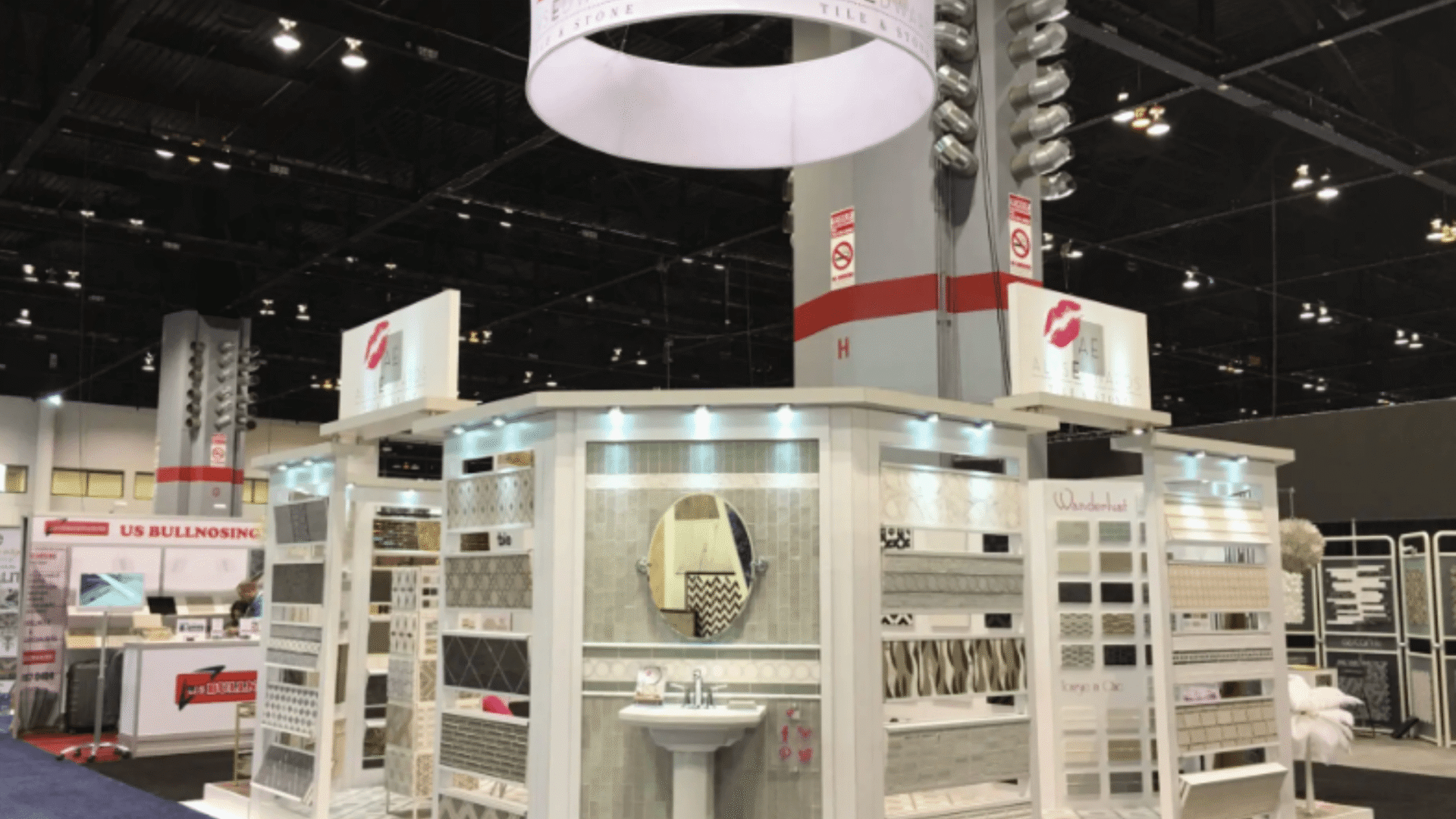
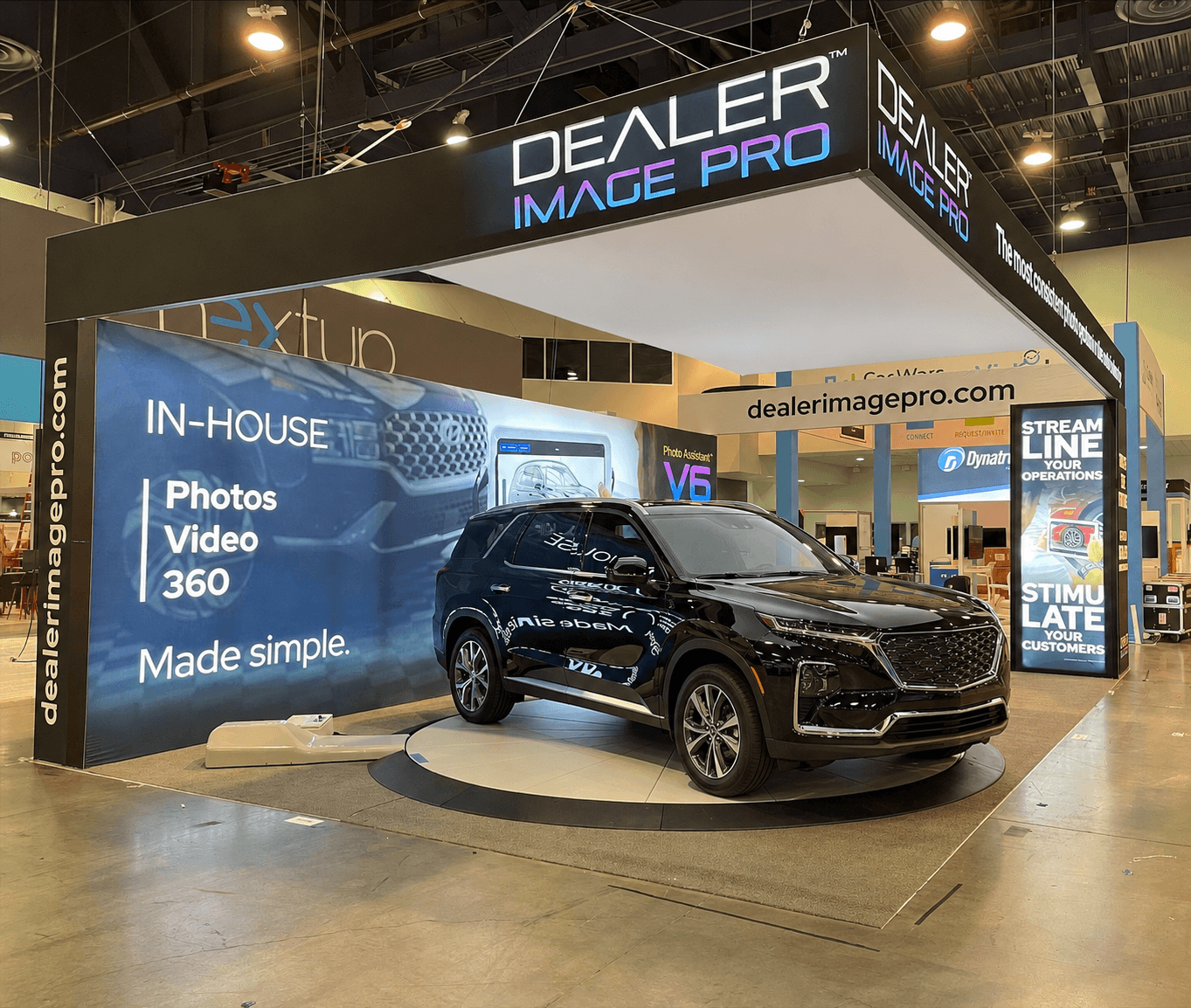
Pet industry trade shows bring together manufacturers, retailers, distributors, and buyers looking for products that meet evolving consumer needs. For brands preparing to exhibit at Global Pet Expo, creating an effective product display involves more than arranging merchandise on shelves.
An exhibit should help visitors understand what a brand offers, explore products comfortably, and connect with representatives who can answer questions about features, applications, and retail opportunities.
From organizing product categories to planning demonstrations and managing booth traffic, thoughtful exhibit design can make the experience more useful for both exhibitors and attendees.
How Should Pet Products Be Organized in a Trade Show Booth?
Pet brands often offer multiple product categories, variations, sizes, and collections. Without a clear display strategy, visitors may struggle to understand the full product offering.
Organizing merchandise around how buyers evaluate products can make an exhibit easier to navigate.
For example, a company offering pet accessories might separate its displays into categories such as collars, leashes, harnesses, and travel products. A pet food manufacturer may organize products by animal type, formulation, or nutritional purpose.
These groupings help visitors quickly identify products relevant to their business.
Organize Products Around Buyer Needs
Retail buyers may be interested in specific product categories, price points, or merchandising opportunities.
Displays should make it easy to locate those products without requiring staff to explain the entire collection.
Consider organizing merchandise by:
- Product category: Group similar items together so buyers can compare available options.
- Intended use: Separate products based on their function, such as grooming, feeding, enrichment, or travel.
- New product introductions: Give newly launched products a clearly identified display area.
- Product variations: Present different sizes, colors, or configurations in a way that supports comparison.
The goal is to help buyers understand the product offering while leaving room for questions and discussion.
Use Clear Product Information
Product displays should communicate important details without overwhelming visitors.
Depending on the category, useful information may include product dimensions, available variations, materials, intended applications, or packaging options.
For products with technical features, digital displays or printed graphics can help explain how they work.
Clear signage also allows visitors to explore independently before speaking with a representative.
What Makes a Product Display Easy for Buyers to Explore?
An effective product display balances visibility, accessibility, and available floor space.
While large displays may attract attention, they can also make an exhibit difficult to navigate if products are crowded together.
Brands should consider how visitors will approach, examine, and compare merchandise.
Prioritize Accessibility
Products should be positioned at heights and locations that make them easy to view.
Smaller products may benefit from organized shelving or display counters, while larger items may require dedicated floor space.
For example, pet beds, carriers, and feeding stations may need enough room for attendees to examine their size and construction.
Brands displaying multiple product categories should also avoid placing important merchandise behind counters or other structures that limit visibility.
Give Featured Products Room
Not every product needs the same amount of display space.
A brand introducing a new collection may benefit from creating a dedicated feature area that draws attention to those products.
This area could include:
- A prominent product display
- Clear graphics explaining the collection
- Supporting product information
- Space for demonstrations or questions
Giving priority products a defined location can make them easier to identify and discuss.
How Can Pet Brands Plan Effective Product Demonstrations?
Product demonstrations can help buyers understand features that may not be immediately apparent from packaging or static displays.
This is particularly useful for pet technology, grooming equipment, feeding systems, travel accessories, and interactive products.
However, demonstrations require enough room for equipment, staff, and attendees.
Match the Demonstration Space to the Product
A company demonstrating a grooming tool may only need a small counter with appropriate equipment.
A brand showcasing an automated feeding system may require electrical access, a stable display surface, and enough room for attendees to observe its operation.
Larger products may need additional floor space.
Before finalizing the booth design, exhibitors should identify:
- Which products will be demonstrated
- What equipment or utilities are required
- How many staff members will operate the demonstrations
- Where attendees will stand while watching
- How visitors will move through the booth afterward
These decisions help determine the size and placement of demonstration areas.
Consider Safety and Show Requirements
If demonstrations involve live animals, food products, powered equipment, or other specialized activities, exhibitors should review the event’s current rules before planning the setup.
Requirements may affect what activities are permitted, what equipment can be used, and how demonstrations must be conducted.
Confirming these details early helps avoid designing an exhibit around activities that may require additional approvals or modifications.
How Should Booth Layout Support Visitor Traffic?
Trade show booth traffic can change throughout the day.
At busy times, several visitors may want to examine products, watch demonstrations, and speak with staff simultaneously.
A layout that does not account for these activities can quickly become congested.
Create Clear Paths Through the Exhibit
Exhibitors should consider the natural sequence of a visitor’s experience.
An attendee may first notice a featured product, move toward a display, examine available options, and then speak with a representative.
The layout should support this movement without forcing visitors through narrow spaces or crowded demonstration areas.
For larger exhibits, separating product discovery areas from meeting spaces can help accommodate different types of conversations.
Visitors who want a quick product overview should be able to explore without interrupting more detailed discussions.
Keep Demonstrations From Blocking Entrances
Demonstration stations can attract groups of attendees.
If positioned directly at the booth entrance, these groups may make it difficult for others to enter or access product displays.
Locating demonstrations within the booth footprint and allowing adequate viewing space can help maintain better circulation.
Exhibitors should also ensure that displays, attendees, and demonstration activities remain within their contracted exhibit space and comply with event requirements.
Can Custom Rental Exhibits Accommodate Changing Pet Product Lines?
Pet brands may introduce new products, expand existing collections, or adjust their trade show strategies from year to year.
An exhibit designed around a single product launch may not provide the same functionality for a different collection at the next event.
This is one reason brands may consider modular and custom rental exhibit solutions.
Flexible Displays for Different Products
Custom rental exhibits can incorporate adaptable elements such as:
- Modular shelving and product display counters
- Branded graphics that can be updated for new collections
- Demonstration areas
- Enclosed product storage
- Digital displays
- Meeting and conversation spaces
These components can be configured around the products being featured and the available booth footprint.
For example, a pet accessory brand may prioritize shelving and product comparison areas for one event, then shift toward demonstration space when introducing a new interactive product.
Rental exhibits allow brands to adjust their presentation without necessarily purchasing and storing an entirely new exhibit structure.
Consider the Full Exhibit Program
When evaluating exhibit options, brands should consider more than the initial design.
Freight, installation, dismantling, storage, and future modifications can all affect the overall cost of participating in trade shows.
For companies attending multiple events, a flexible rental approach may help simplify exhibit planning and reduce some of the responsibilities associated with owning a permanent booth.
Xibeo provides custom exhibit rental solutions that can be developed around product displays, demonstrations, branding, and operational requirements.
How Can Exhibit Design Support Conversations With Retail Buyers?
Product displays introduce merchandise, but the surrounding environment should also support conversations about potential business opportunities.
Retail buyers may want to discuss product specifications, packaging, distribution, merchandising, or upcoming launches.
An exhibit should provide appropriate space for those discussions.
For smaller booths, a well-positioned counter may offer enough room for brief conversations.
Larger exhibits may benefit from dedicated meeting areas where representatives can discuss product lines without interrupting demonstrations or blocking displays.
Staff should also have convenient access to product information and materials needed during conversations.
By planning the display and meeting areas together, exhibitors can create a more organized environment for product discovery and buyer engagement.
Frequently Asked Questions
How should pet products be organized in a trade show exhibit?
Pet products should be grouped by category, intended use, or buyer need. Clear signage, accessible displays, and dedicated areas for featured products can help retailers compare merchandise and understand the brand’s offerings.
What should pet brands consider when planning product demonstrations?
Brands should consider the equipment required, available space, staff responsibilities, attendee viewing areas, and any applicable event regulations. Demonstration stations should be positioned to allow visitors to participate without blocking booth entrances or surrounding displays.
Can rental exhibits accommodate changing pet product lines?
Yes. Custom rental exhibits can incorporate modular shelving, counters, branded graphics, and demonstration areas that can be adjusted for different products or events. This flexibility can help brands update their trade show presentation as their collections evolve.
Plan a Pet Industry Exhibit Around Your Products
An effective pet industry exhibit begins with understanding how buyers will interact with the products on display.
Organized merchandise, accessible demonstration areas, clear visitor pathways, and appropriate meeting spaces can help brands create a more functional trade show experience.
For exhibitors preparing for Global Pet Expo or other pet industry events, planning these details early can also make fabrication, freight coordination, and installation more manageable.
Xibeo works with brands nationwide to develop custom rental exhibits that balance product presentation, operational needs, and overall exhibit planning.
Discuss Your Exhibit Plans With Xibeo
Xibeo is an independent exhibit design and fabrication company and is not affiliated with, endorsed by, or sponsored by Global Pet Expo, the American Pet Products Association (APPA), the Pet Industry Distributors Association (PIDA), or the event organizers.