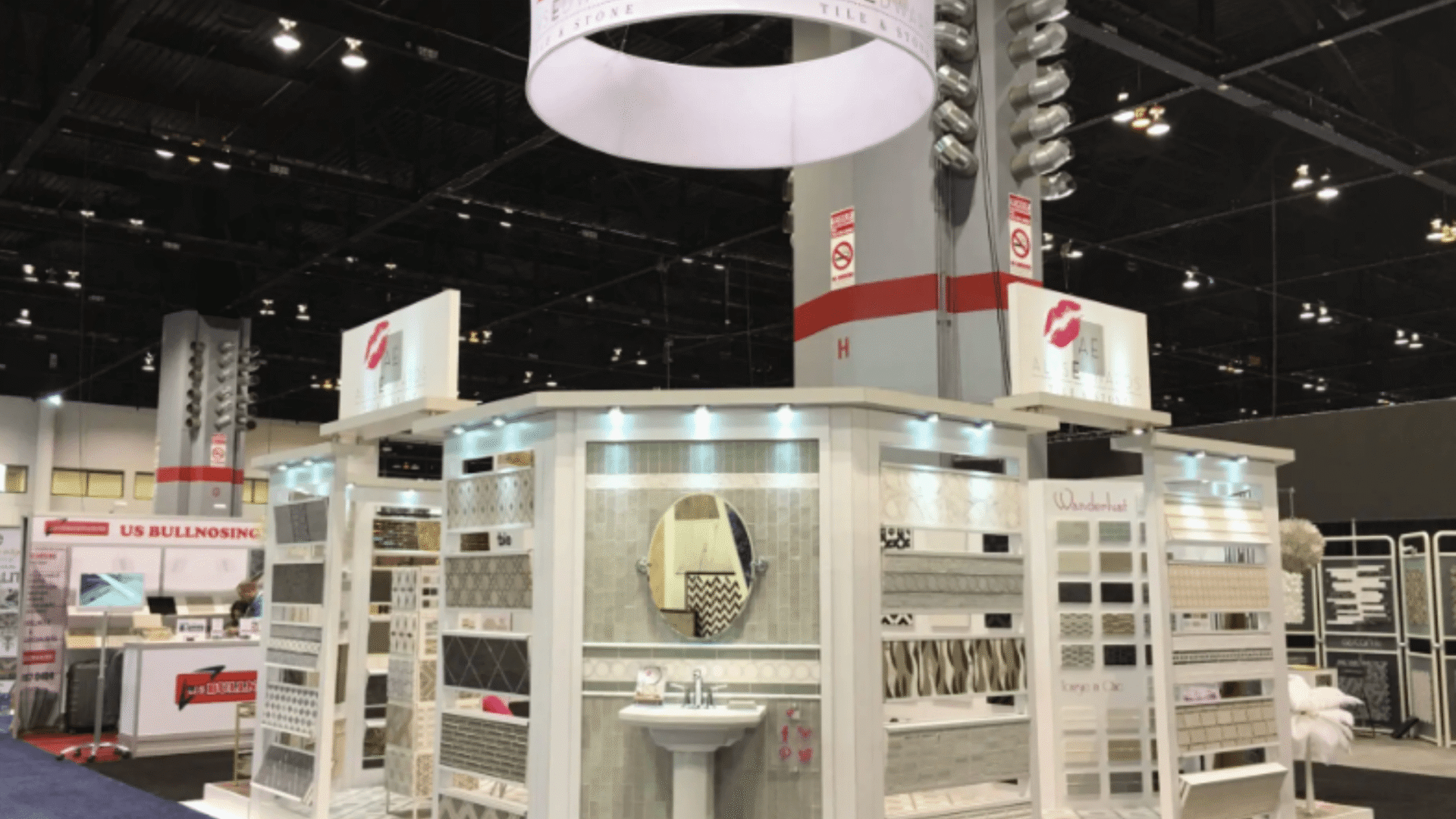
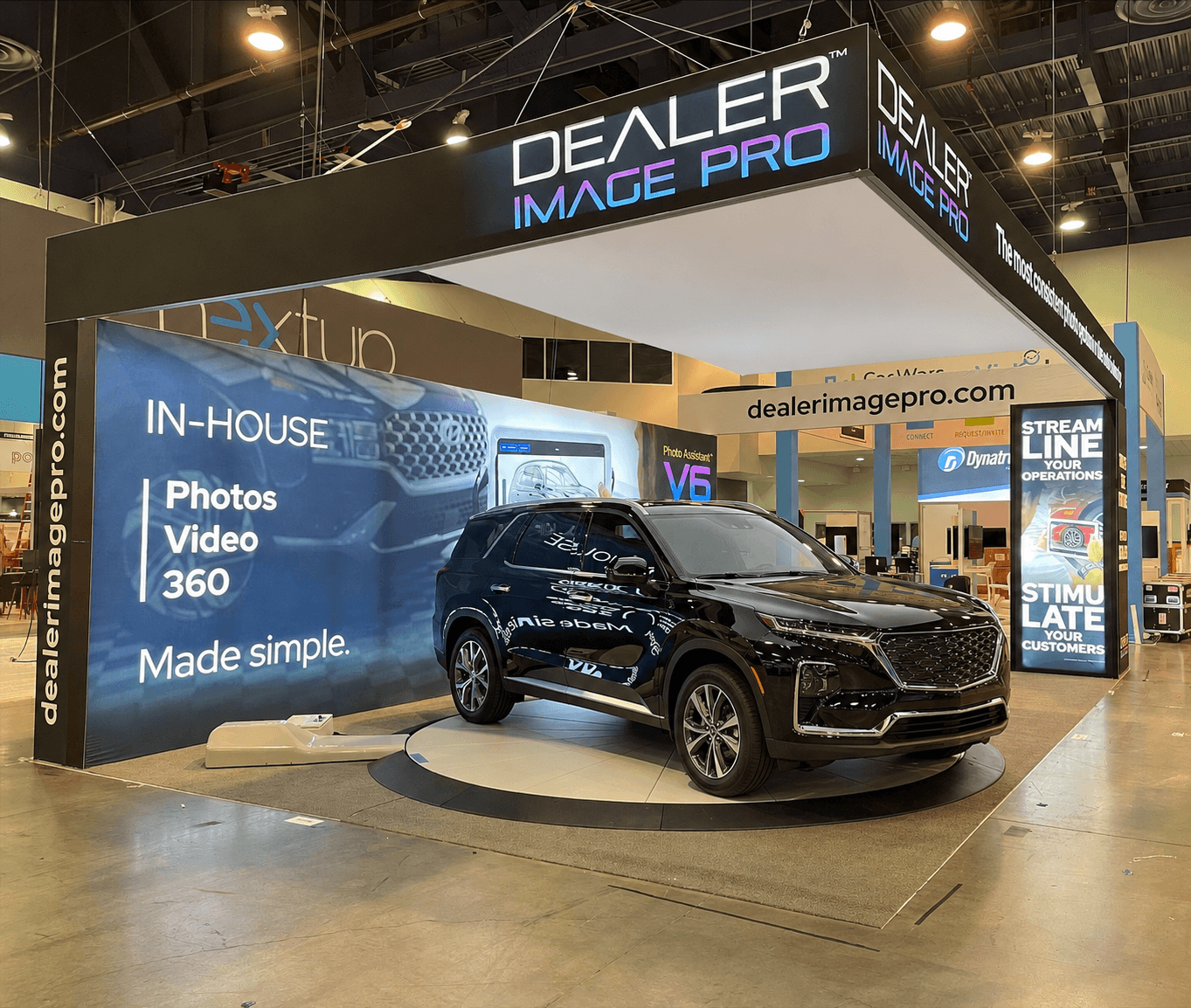
Product sampling is an important part of exhibiting at food industry trade shows. For snack and confectionery brands preparing for Sweets & Snacks Expo, giving retail buyers an opportunity to taste products can help them evaluate flavors, textures, and potential retail appeal.
However, a successful sampling experience requires more than setting out products on a counter. Exhibitors need to consider how attendees approach the booth, where samples are distributed, how inventory is stored, and how staff can engage with interested buyers.
A thoughtful sampling layout helps create an organized experience while making it easier for visitors to discover products and discuss potential business opportunities.
Where Should Sampling Stations Be Positioned in a Trade Show Booth?
The placement of a sampling station can influence how visitors move through an exhibit.
While positioning samples directly along the aisle may seem like an easy way to attract attention, it can also create congestion if attendees stop in front of the booth.
Instead, exhibitors should consider how sampling stations fit within the overall layout.
Create an Inviting Entry Point
Sampling stations should be visible and easy to approach without obstructing the entrance.
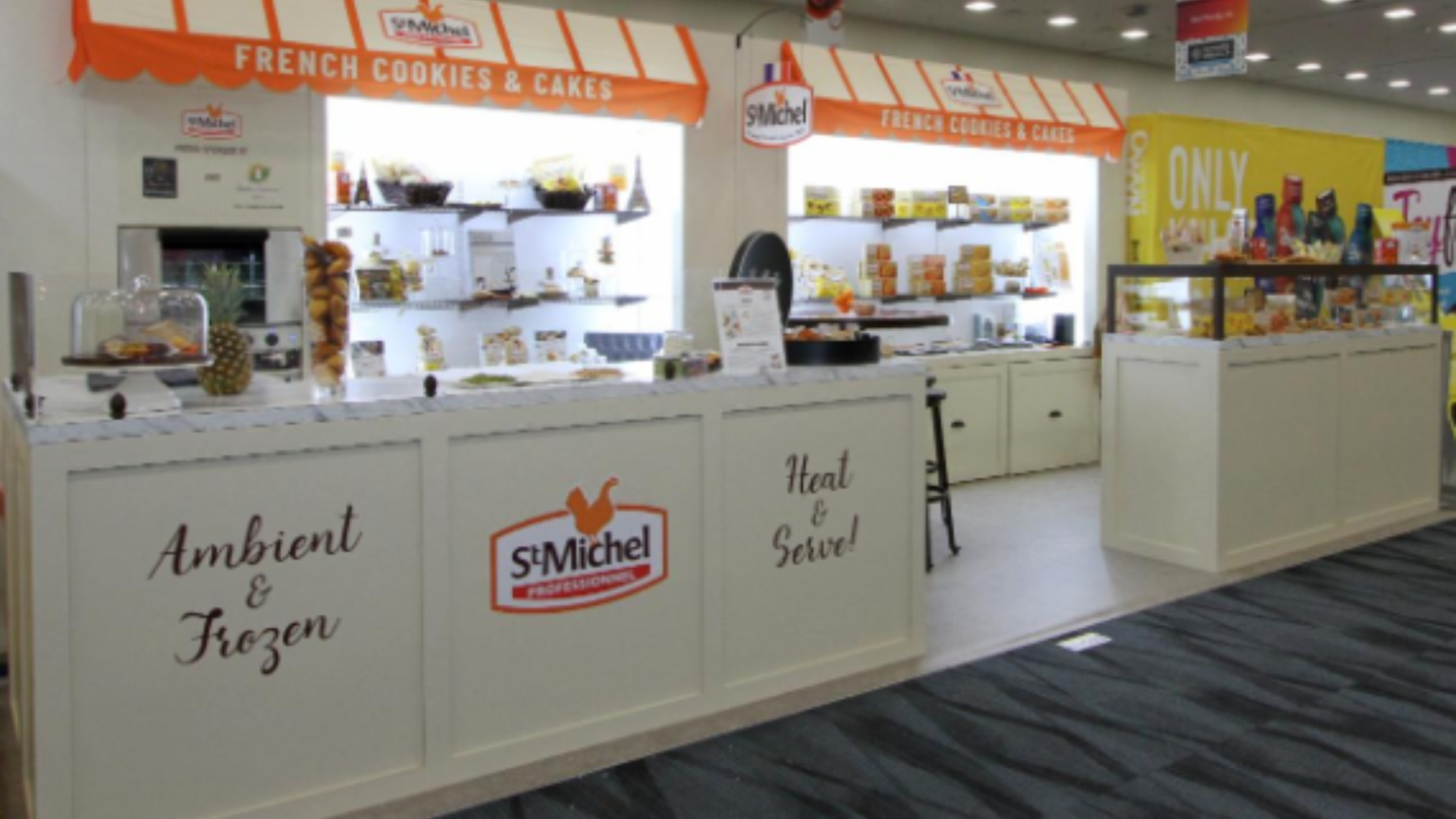
For smaller exhibits, a counter positioned within the booth footprint may provide an accessible place for visitors to receive samples and speak with representatives.
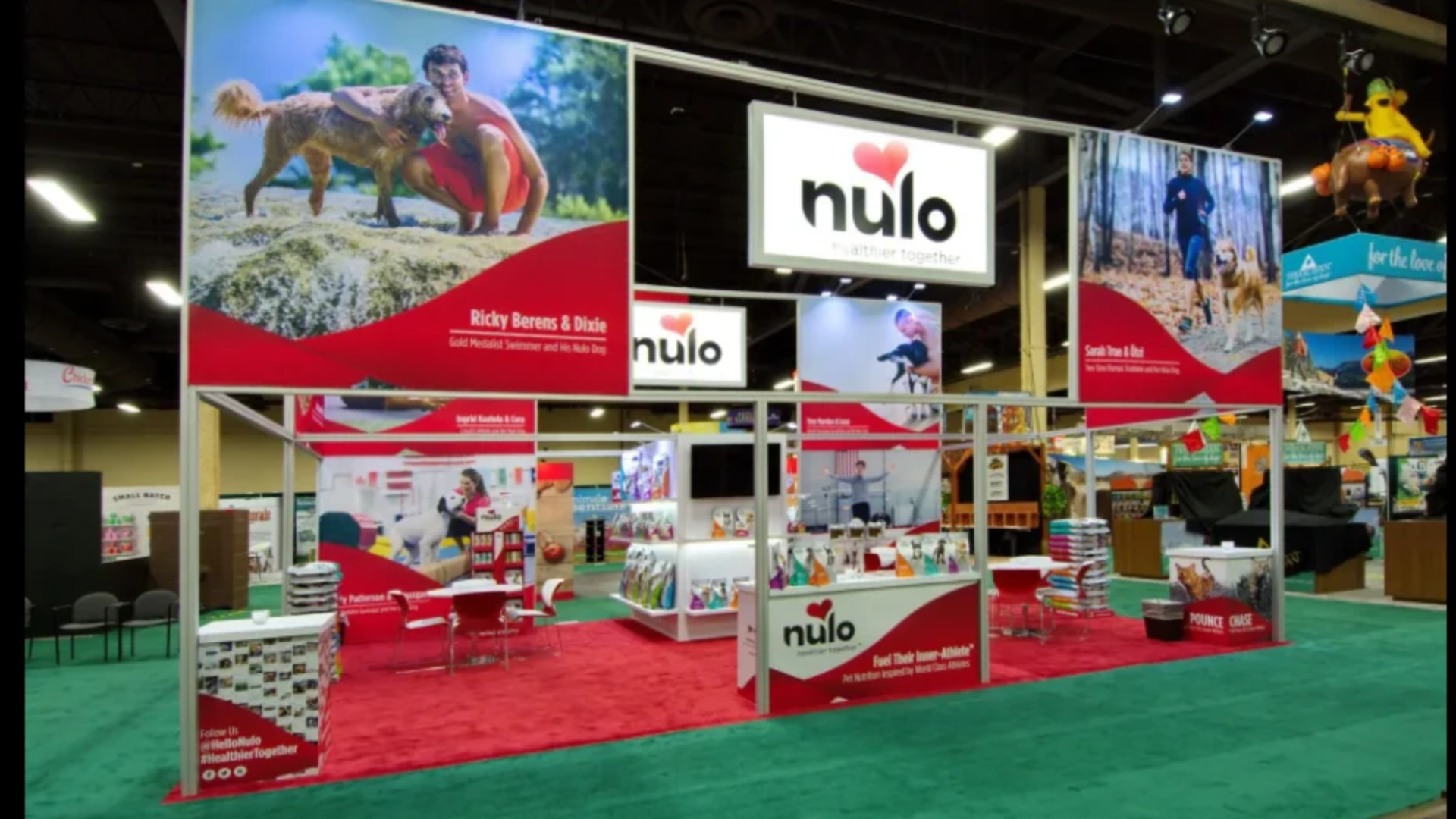
Larger exhibits may accommodate multiple sampling areas, allowing attendees to explore different product categories without gathering in one location.
The goal is to make sampling convenient while maintaining clear pathways through the exhibit.
Consider How Visitors Will Move After Sampling
Sampling is often the beginning of a conversation rather than the final interaction.
After tasting a product, a buyer may want to examine its packaging, compare flavors, or ask about distribution opportunities.
The booth should provide space for these next steps.
For example, a snack brand could organize its exhibit so visitors move naturally between:
- A sampling station where attendees can taste featured products
- A product display featuring available flavors and packaging
- An information area with product specifications
- A conversation space for retail buyers and sales representatives
This arrangement helps visitors explore the brand without interfering with ongoing sampling activities.
How Can Exhibitors Prevent Crowding Around Sampling Areas?
Popular products can attract groups of attendees, especially during busy periods.
Without enough space around sampling stations, these groups may block product displays or make it difficult for other visitors to enter.
Planning for attendee movement is an important part of booth design.
Allow Space for Visitors to Pause
People typically need a moment to accept a sample, taste it, and decide whether they want additional information.
A sampling counter should provide room for this activity without forcing visitors into surrounding traffic.
Brands should also consider whether attendees will need to dispose of packaging, napkins, or other materials after sampling.
Convenient waste disposal can help maintain a cleaner and more organized environment.
Separate Sampling From Longer Conversations
Not every visitor will need the same amount of attention.
Some attendees may simply want to try a product, while retail buyers may be interested in pricing, packaging, distribution, or merchandising opportunities.
When possible, exhibitors should create separate areas for these interactions.
A dedicated conversation counter or small meeting space allows representatives to speak with interested buyers while other staff members continue managing samples.
This arrangement can be especially helpful for brands introducing several new products or seeking retail partnerships.
Consider Multiple Sampling Stations
For brands with a larger booth footprint or multiple product categories, distributing samples from more than one location may help reduce congestion.
For example, a confectionery company could create separate sampling areas for chocolate products and non-chocolate candy.
A snack manufacturer might organize stations around sweet, savory, and better-for-you product categories.
These arrangements allow buyers to explore the products most relevant to their interests.
What Storage and Equipment Should a Sampling Booth Include?
Food sampling requires access to products, serving supplies, and equipment throughout the event.
If these materials are difficult to reach, staff may spend unnecessary time restocking counters or moving through crowded areas.
Storage should be considered during the initial exhibit planning process.
Plan for Product Inventory
Exhibitors should estimate how much product they intend to distribute and determine where inventory will be stored.
Depending on the booth size and product requirements, storage options may include:
- Enclosed cabinets beneath sampling counters
- Shelving for packaged inventory
- Designated areas for serving supplies
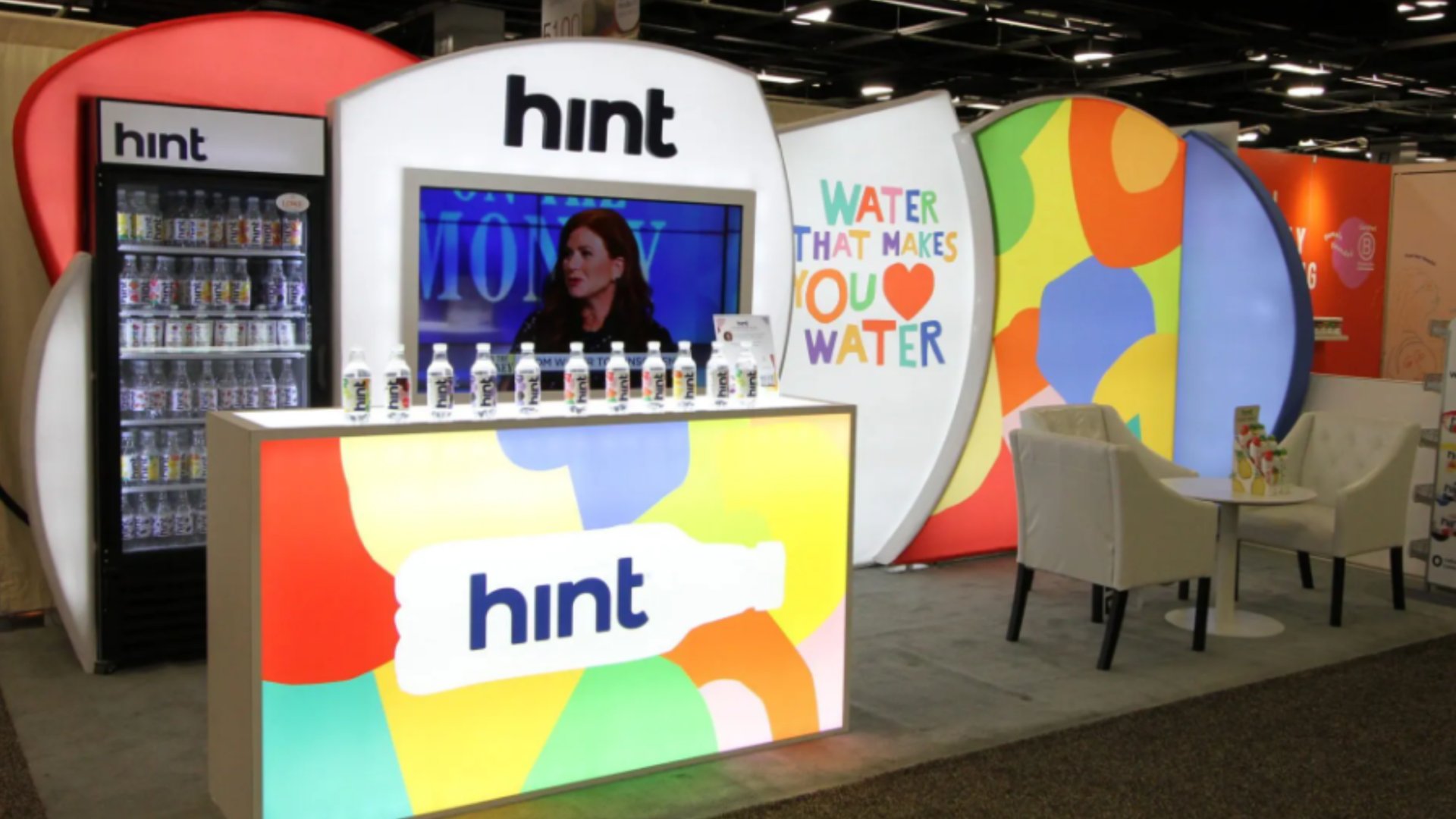
- Refrigerated or temperature-controlled equipment when required
- Space for waste containers and cleaning materials
Keeping frequently used materials close to sampling stations can make restocking easier.
For brands offering multiple products, organizing inventory by category or flavor may also help staff maintain an orderly presentation.
Account for Equipment Requirements
Some products can be distributed directly from their packaging, while others may require preparation, refrigeration, warming, or specialized serving equipment.
These needs should be identified before the exhibit is designed.
For example, a brand demonstrating a freshly prepared snack may need electrical service, counter space, and approved food preparation equipment.
A chocolate manufacturer may need to consider temperature management to maintain product quality.
Equipment dimensions, power requirements, and access to supplies can all affect the booth layout.
Keep Storage Areas Accessible
Storage should be convenient for staff without interfering with the attendee experience.
If employees must repeatedly cross the booth to retrieve supplies, they may interrupt demonstrations or conversations.
Placing storage near sampling stations can reduce unnecessary movement and help staff maintain a consistent presentation.
What Food Sampling Rules Should Exhibitors Review Before the Show?
Food industry trade shows may have specific requirements for sampling, preparation, sanitation, and equipment use.
Exhibitors should review the current event and venue policies before finalizing their sampling plans.
Requirements can vary depending on the products being distributed and how they are prepared.
Confirm Sampling and Food Handling Requirements
Before planning a sampling station, exhibitors should determine whether the event has requirements related to:
- Food handling and sanitation
- Sample preparation and serving methods
- Permitted sample sizes
- Refrigeration or temperature control
- Waste disposal
- Electrical and water services
- Required permits or approvals
These details may affect what equipment can be used and how sampling stations should be arranged.
The official Sweets & Snacks Expo website is a starting point for locating current exhibitor information and event resources.
Exhibitors should also review applicable food safety guidance from the U.S. Food and Drug Administration and confirm requirements with event management and the venue.
Plan for Product Information and Allergens
Snack and confectionery products may contain common allergens, including peanuts, tree nuts, milk, wheat, and soy.
Exhibitors should have accurate ingredient and allergen information readily available for attendees.
Staff members should understand where to find product information and how to respond when visitors ask about ingredients or dietary considerations.
Brands should also consider how samples will be handled to reduce the risk of unintended contact between different products.
Clear product identification and organized serving procedures can help attendees make informed choices.
How Can Sampling Stations Support Retail Buyer Conversations?
For many exhibitors, sampling is an opportunity to introduce products to potential retail partners.
However, buyers may need information beyond taste and packaging before deciding whether a product fits their stores.
The exhibit should support these discussions without disrupting the sampling experience.
Make Product Information Easy to Find
After tasting a product, buyers may want to learn about available sizes, flavors, packaging formats, and merchandising options.
Having this information accessible allows representatives to answer questions efficiently.
Depending on the brand’s product offering, useful materials may include:
- Product catalogs or sell sheets
- Packaging examples
- Available flavor and size options
- Product specifications
- Distribution information
- Contact details for follow-up conversations
Digital displays may also help communicate product features without requiring large amounts of printed material.
Provide Space for More Detailed Discussions
Some conversations can happen directly at the sampling counter.
Others may require a quieter area where buyers can review product information or discuss potential partnerships.
For larger exhibits, a dedicated meeting table or semi-private conversation area can provide a more comfortable setting.
Smaller booths may benefit from a compact counter positioned away from the main sampling activity.
The appropriate layout depends on the booth footprint, staffing plan, and expected visitor interactions.
Can Custom Rental Exhibits Accommodate Food Sampling Requirements?
Sampling needs can change from one event to another.
A brand introducing a new product line may require additional counters or refrigeration, while another event may focus more heavily on packaged product displays and buyer meetings.
Custom rental exhibits offer flexibility for brands that need to adjust their presentation.
Design Around the Sampling Experience
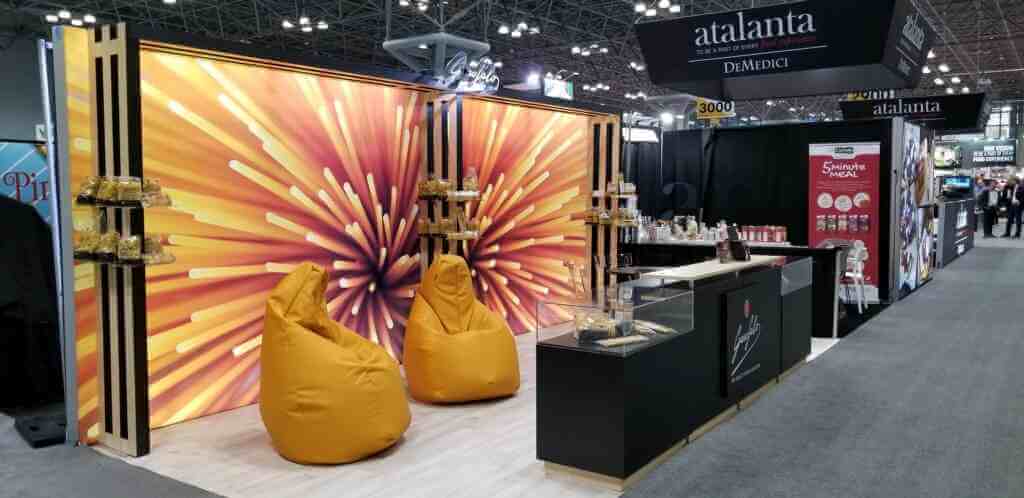
A custom exhibit rental can incorporate features such as branded sampling counters, enclosed storage, product shelving, digital displays, and meeting areas.
These elements can be planned around the products being presented and the available booth space.
For example, a snack brand may use one exhibit configuration to introduce a new flavor collection, then adjust the layout for a future event featuring a broader product assortment.
The ability to modify display components can help brands adapt their trade show presence without purchasing an entirely new exhibit.
Consider Logistics During the Design Process
Sampling equipment and product inventory can affect freight, installation, and show-site coordination.
Exhibitors should consider how counters, storage units, refrigeration equipment, and product displays will be transported and installed.
Early coordination can also help identify electrical requirements, equipment access needs, and other details that may affect the exhibit.
Planning these elements together allows brands to develop a booth that supports both product presentation and daily operations.
Frequently Asked Questions
How can sampling stations avoid crowding at a trade show?
Sampling stations should be positioned within the booth footprint with enough room for attendees to approach, receive samples, and move away comfortably. Separating sampling activities from longer sales conversations can help maintain clear pathways and reduce congestion.
What storage should a food sampling booth include?
A sampling booth may need enclosed product storage, serving supplies, waste containers, and temperature-controlled equipment depending on the products being offered. Storage should be accessible to staff without interrupting visitor traffic or product demonstrations.
What should exhibitors confirm before offering food samples?
Exhibitors should review current event and venue policies covering food handling, sanitation, sample preparation, electrical service, waste disposal, and any required permits or approvals. They should also have accurate ingredient and allergen information available for attendees.
Plan a Sampling Experience That Works for Your Brand
For snack and confectionery brands, product sampling is an opportunity to introduce merchandise, answer buyer questions, and support conversations about retail opportunities.
A well-planned exhibit should make these activities easy to manage while providing an organized and welcoming environment for attendees.
Xibeo works with exhibitors nationwide to design custom rental exhibits that accommodate product displays, sampling counters, storage, and meeting areas based on each brand’s requirements.
Talk With Xibeo About Your Trade Show Exhibit
Xibeo is an independent exhibit design and fabrication company and is not affiliated with, endorsed by, or sponsored by Sweets & Snacks Expo, the National Confectioners Association, or the event organizers.