Smarter Technology Starts with Smarter Planning
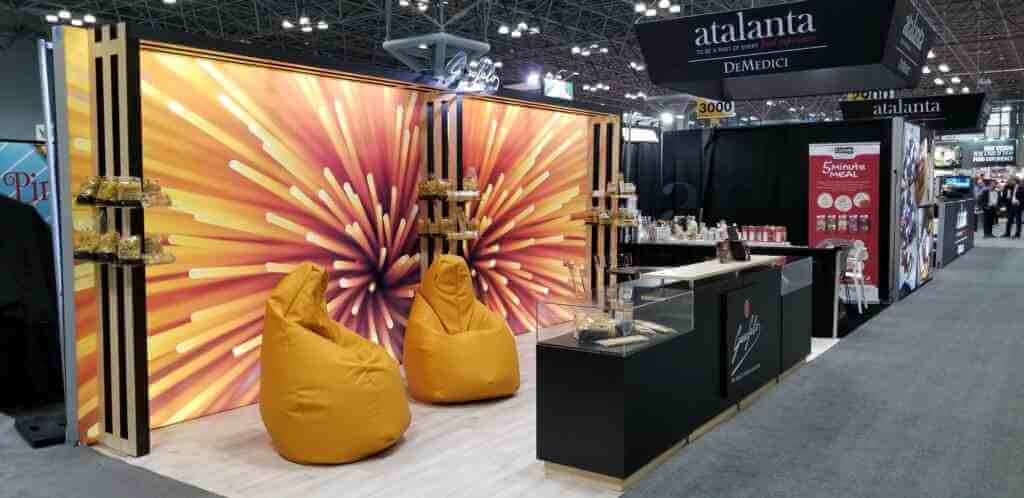
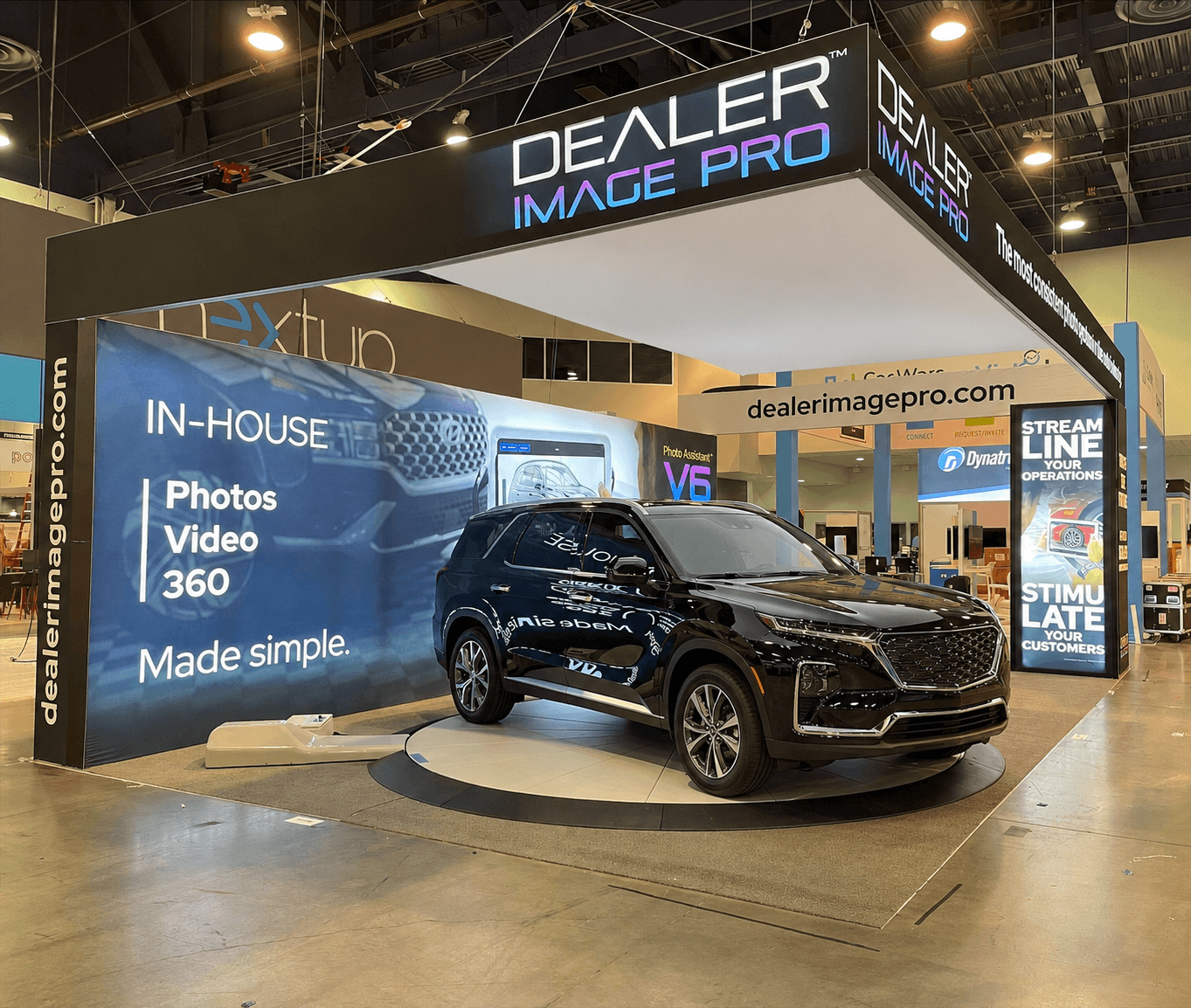
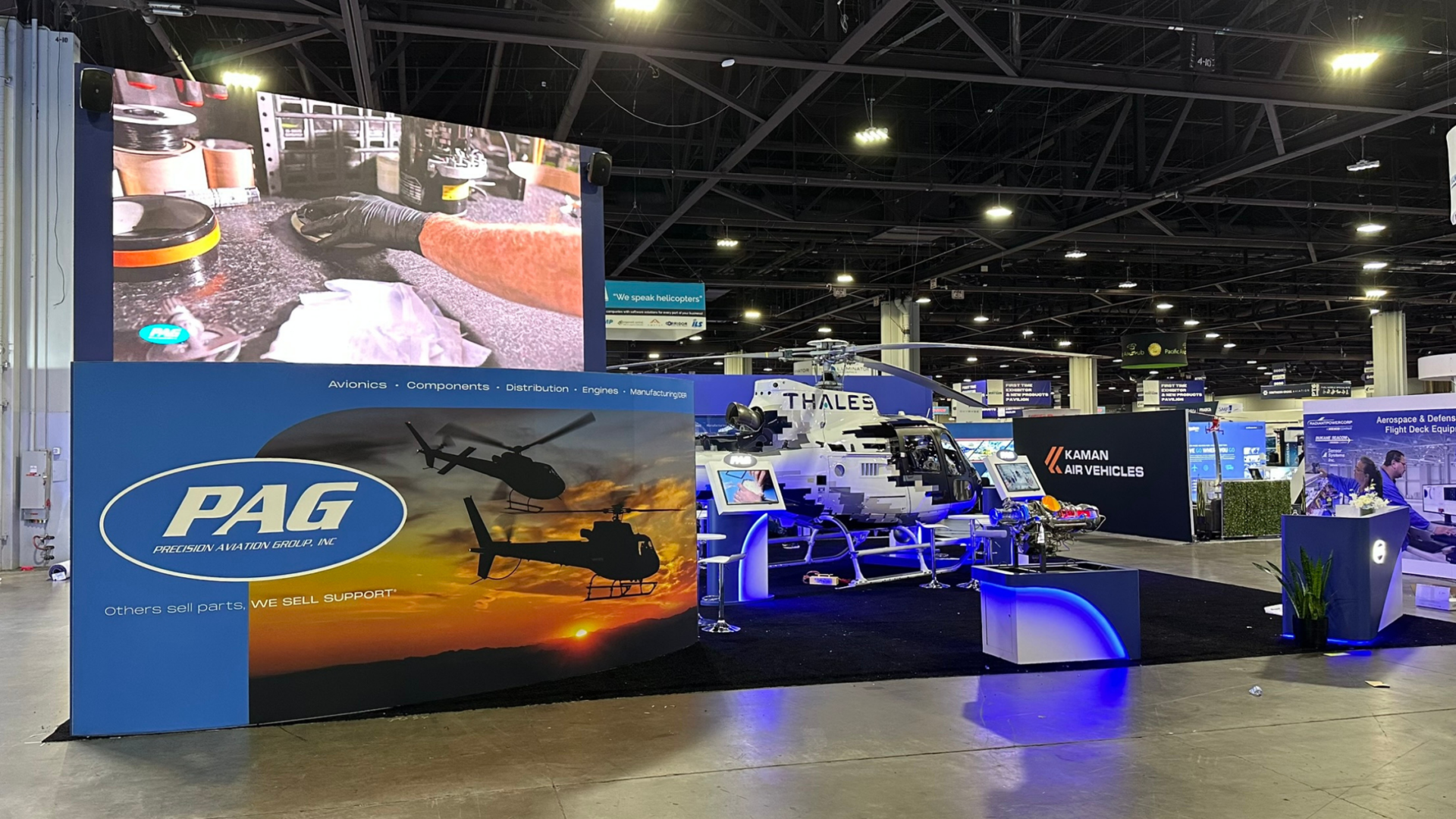
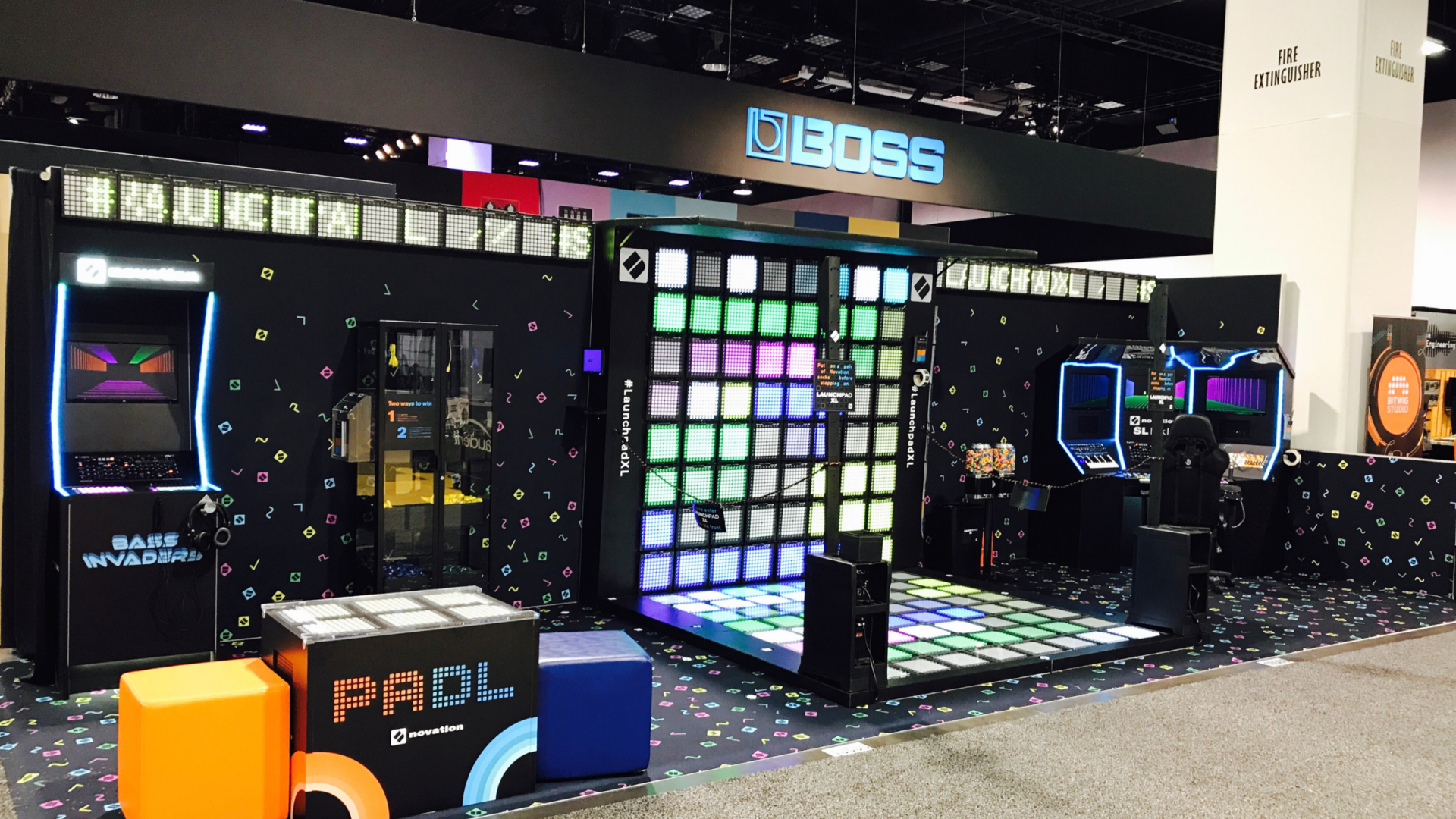
Technology has become a central part of the modern trade show experience. From LED video walls and digital presentations to interactive displays and product demonstrations, exhibitors are increasingly using technology to attract attention and engage attendees.
However, technology can also introduce additional costs if it is not planned strategically.
The most successful exhibit programs integrate technology with clear objectives, practical logistics planning, and budget awareness from the beginning. The goal is not to add more technology—it is to deploy the right technology in a way that supports your exhibit strategy and controls costs.
Technology Should Support the Experience
Large video walls and interactive displays can create a strong visual impact, but they should serve a purpose beyond simply drawing attention.
Effective technology integration helps exhibitors:
- Demonstrate products and services
- Communicate complex information
- Support presentations and demonstrations
- Increase attendee engagement
- Create memorable brand experiences
When technology aligns with business goals, it becomes a strategic asset rather than an unnecessary expense.
Understanding the Cost Variables
Many exhibitors focus on the cost of the technology itself while overlooking the supporting requirements that accompany it.
Technology integrations often affect:
- Electrical services
- Internet connectivity
- Rigging requirements
- Freight and handling
- Labor and installation
- Equipment transportation
For example, a large LED video wall may require additional power, specialized installation, and coordination with venue regulations.
Understanding these variables early helps prevent unexpected expenses later in the planning process.
Why Early AV Planning Matters
One of the most effective ways to control technology-related costs is to plan early.
Electrical orders placed close to show deadlines often carry higher fees. Last-minute changes can also increase labor costs and create installation challenges.
By identifying technology requirements during the exhibit design phase, exhibitors can better forecast costs and coordinate logistics before arriving on-site.
Early planning also allows exhibit teams to evaluate alternative solutions that may achieve similar results with greater efficiency.
Rental Technology Creates Flexibility
Technology changes rapidly.
What feels innovative today may feel outdated in a few years. Purchasing technology assets often creates long-term ownership costs and limits flexibility.
Rental solutions allow exhibitors to access current technology without committing to permanent infrastructure.
This approach provides opportunities to incorporate:
- LED video walls
- Interactive touchscreens
- Digital product displays
- Presentation systems
- Integrated audiovisual solutions
Rental technology can also scale based on the size and objectives of each event.
Designing Technology Into the Exhibit
The most effective exhibits integrate technology into the overall design rather than treating it as an afterthought.
Technology should support traffic flow, messaging, demonstrations, and attendee engagement.
When incorporated during the design process, technology can improve the overall visitor experience while reducing installation challenges and operational complexity.
A coordinated approach also helps exhibitors avoid redundant equipment and unnecessary expenses.
Balancing Innovation and Budget
Adding technology does not automatically improve exhibit performance.
Successful exhibitors focus on selecting solutions that support their goals while maintaining budget discipline.
Sometimes a strategically placed display, presentation screen, or interactive element can create greater value than a more complex installation with higher operating costs.
The objective is to maximize engagement while maintaining cost predictability across freight, labor, power, and installation requirements.
Frequently Asked Questions
Do LED video walls increase logistics costs?
They can, depending on the size of the installation, power requirements, transportation needs, and labor involved in setup.
Is AV planning required early?
Yes. Electrical services, labor scheduling, and venue requirements can significantly impact total exhibit costs if not planned in advance.
Can rental exhibits include technology integration?
Yes. Modern rental exhibits can incorporate LED video walls, interactive displays, digital presentations, and a variety of audiovisual solutions.
Does technology always improve exhibit performance?
Not necessarily. Technology is most effective when it supports clear business objectives and attendee engagement strategies.
How can exhibitors control technology-related costs?
Early planning, strategic equipment selection, and integrated exhibit design help improve cost predictability and reduce unnecessary expenses.
Exhibit Smarter
Technology can enhance the trade show experience, but only when it is planned strategically.
By integrating audiovisual solutions into the exhibit design process and understanding the logistics behind implementation, exhibitors can create engaging experiences without allowing costs to escalate unexpectedly.
Let’s design a booth that protects your budget.
Nationwide execution. Strategic design. Built to protect your budget.